[After] Zoltan Kluger
Dana Art Gallery, Yad Mordechai, curator: Ravit Harari | Maya Gallery, Tel Aviv, curator: Ravit Harari
[After] Zoltan Kluger (2026)
single-channel video, digital HD format, 11:05 min
Cinematography Noa Simhayof Shahaf | Assistent Camera Yuval Sharabi | Lighting Bar From | Grip Dekel Mashata | Sound Recording Erez Cohen | Performers Amitay Shulman, Tamar Rosenzweig | Assistants Eden Azulay, Mey Paska, Shani Kadosh | Editing Tamar Katz | Visual Effects Tamar Katz | Original Music Tamar Katz | Color Grading Ella Michaeli | Sound Design Erez Cohen
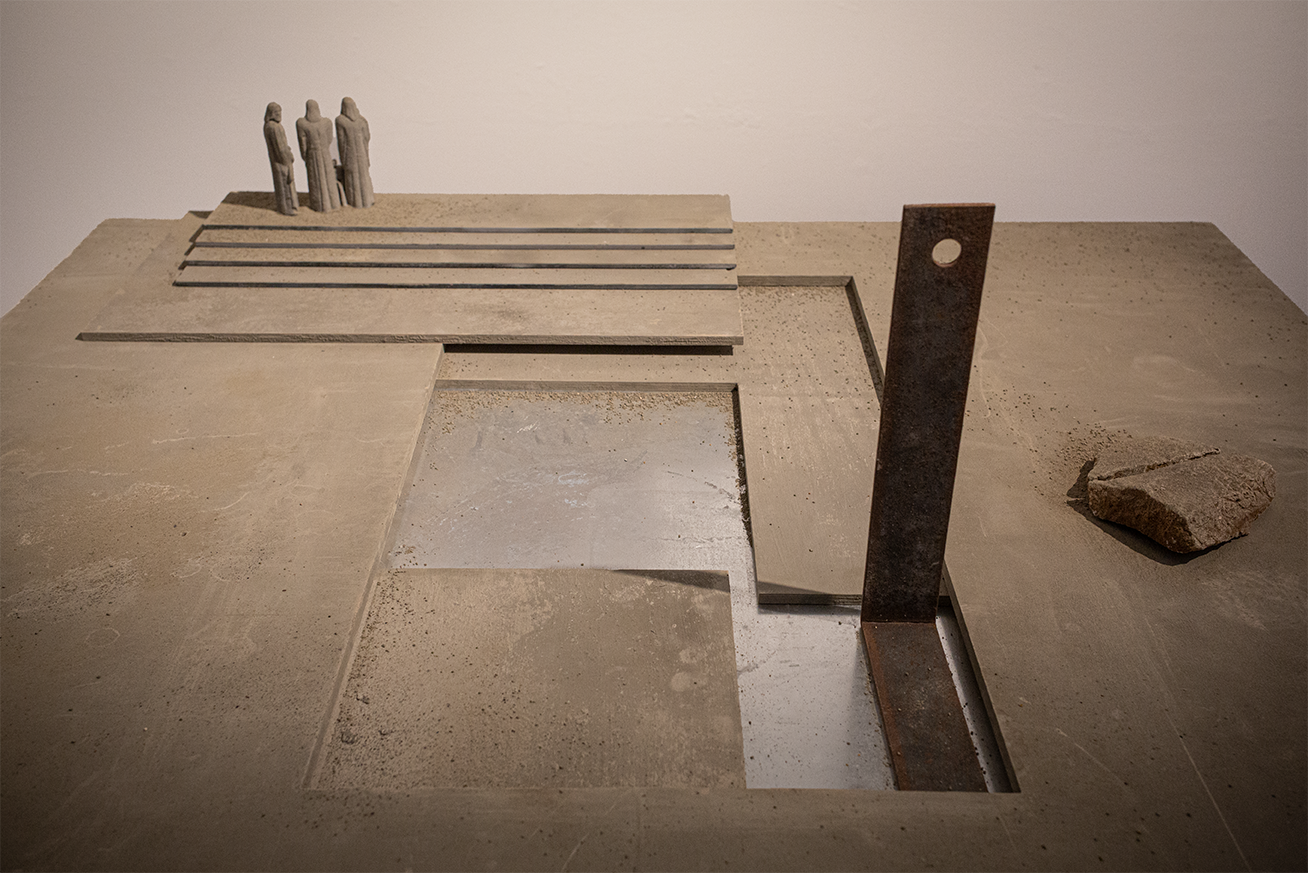
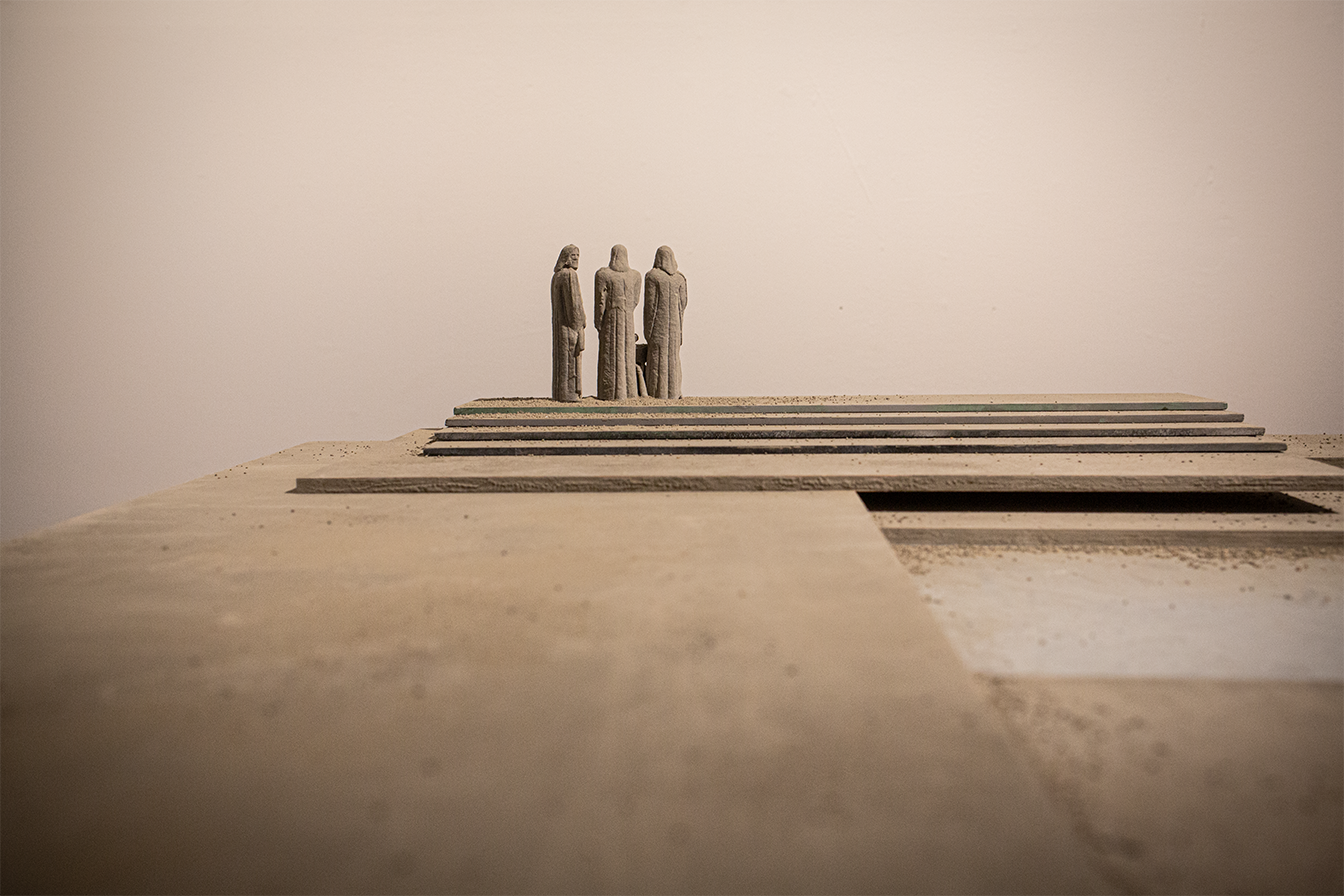
Installation view (Maya Gallery, Tel Aviv)
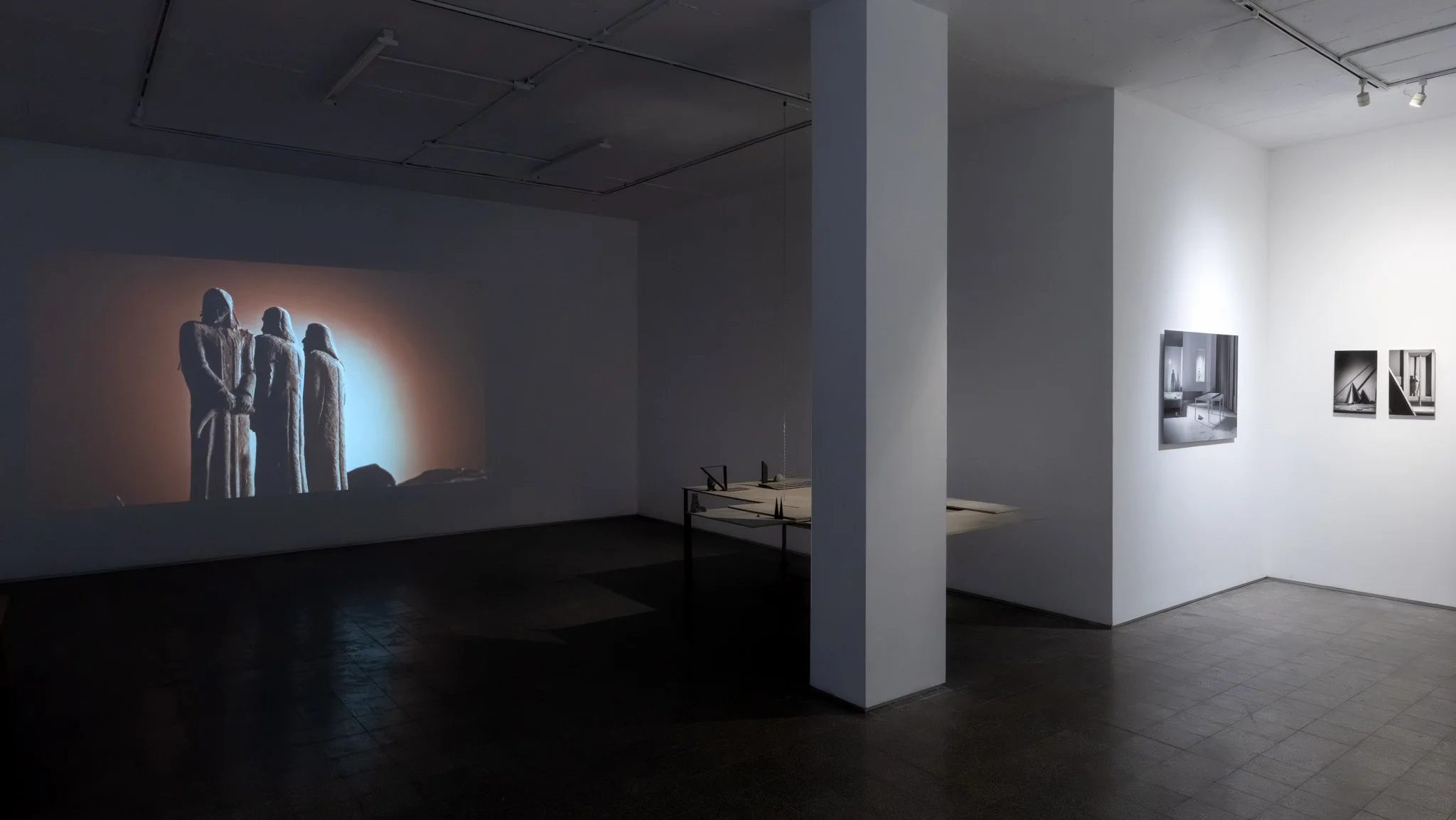
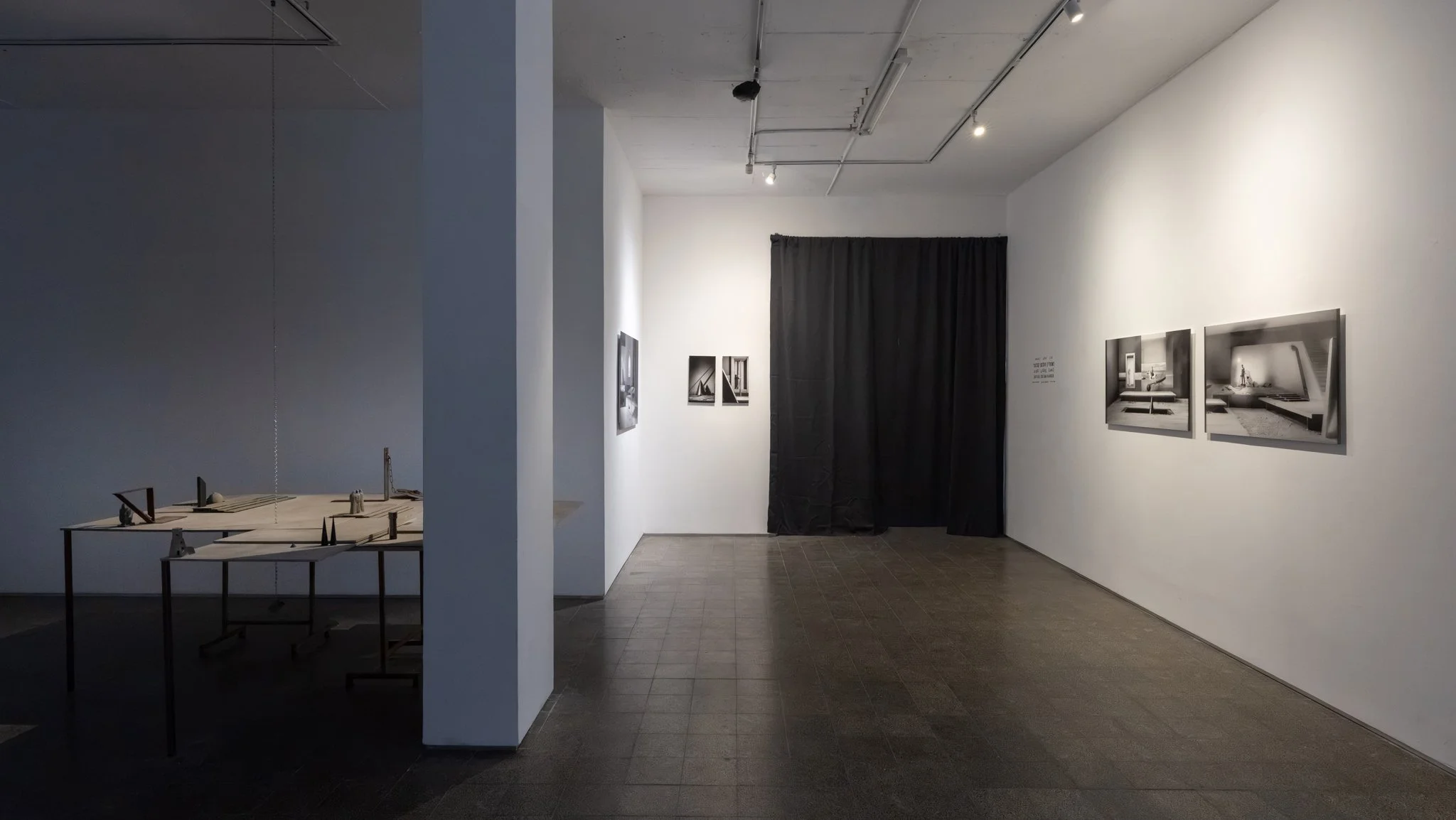
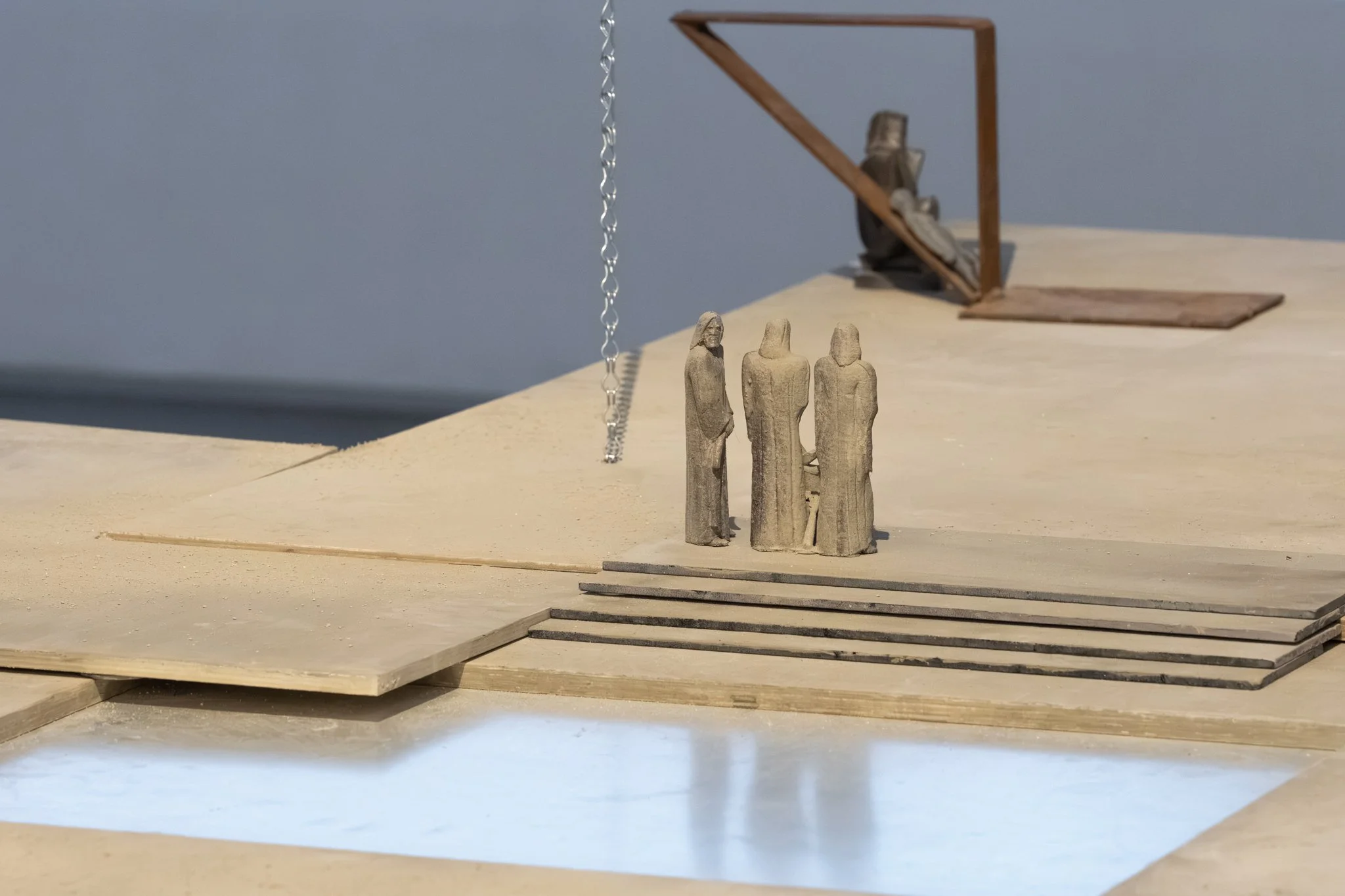
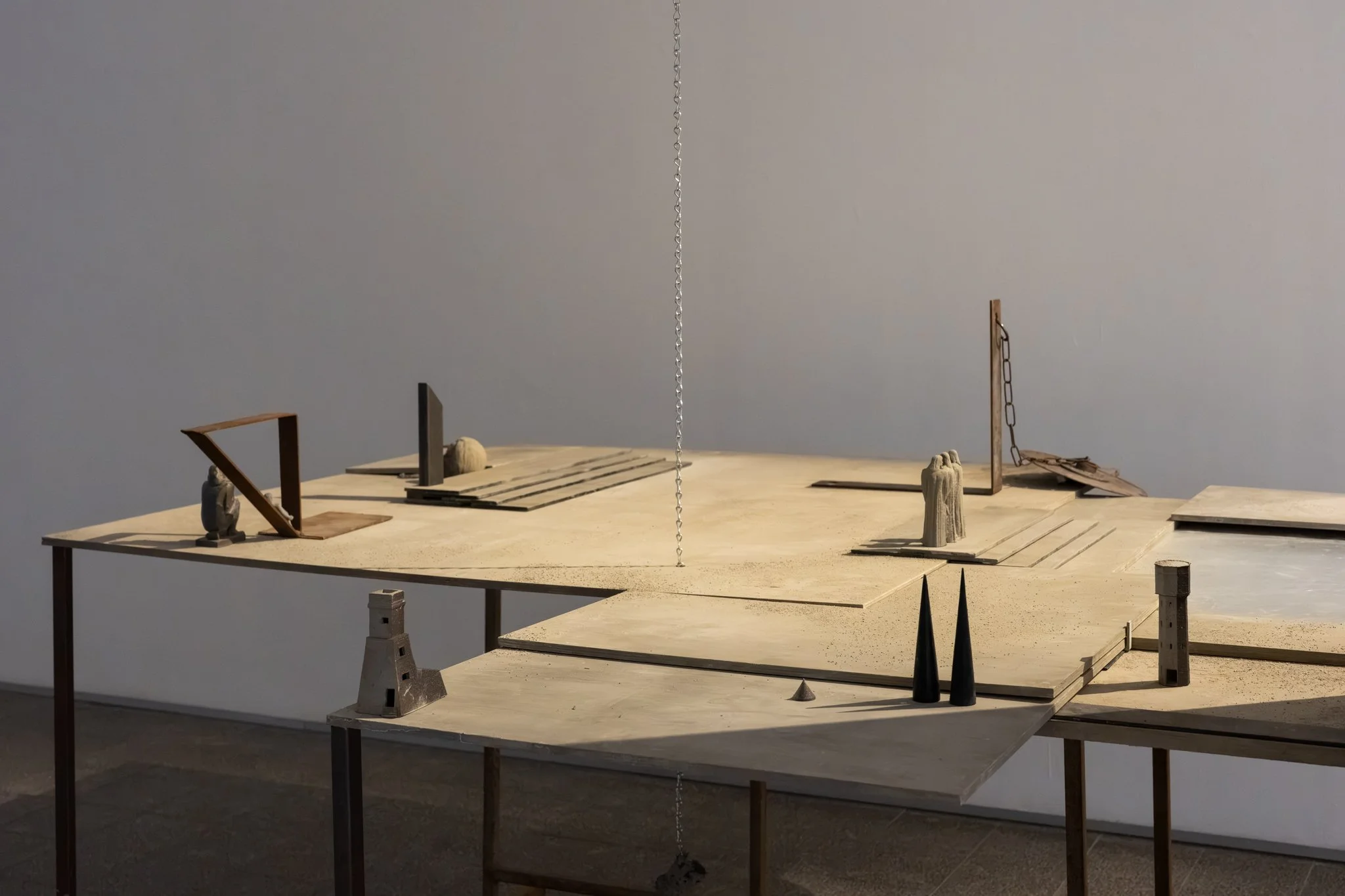
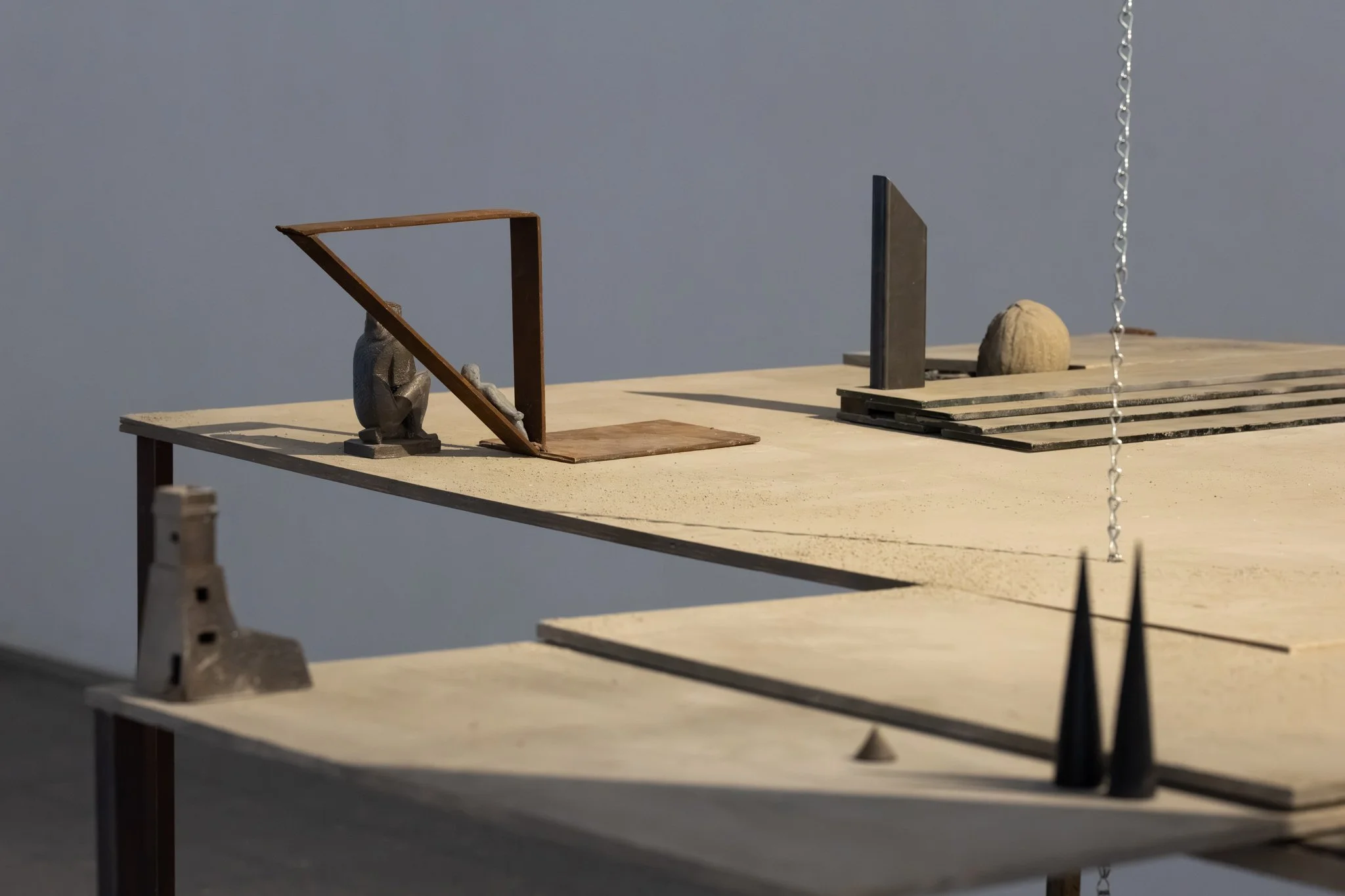
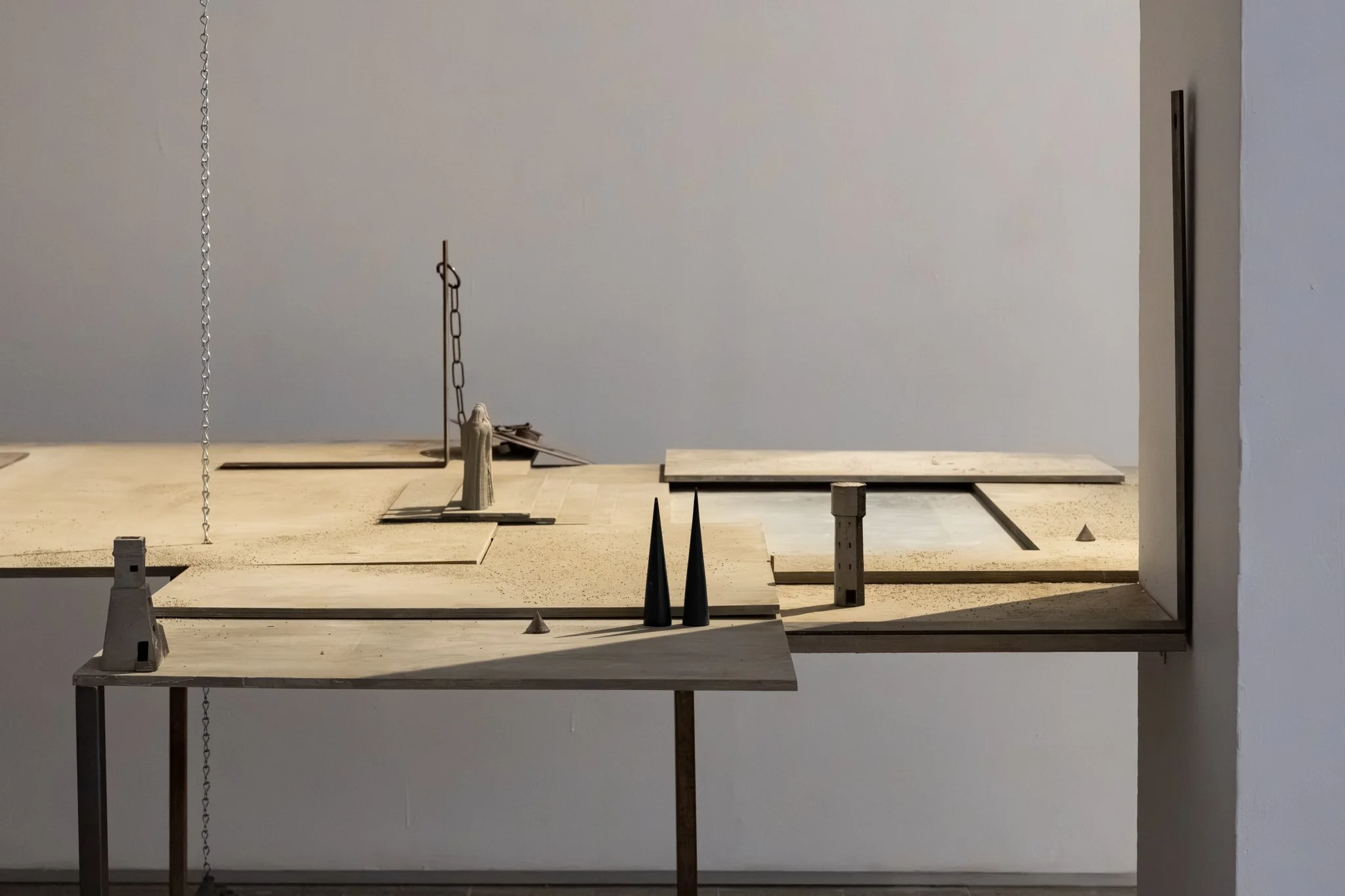
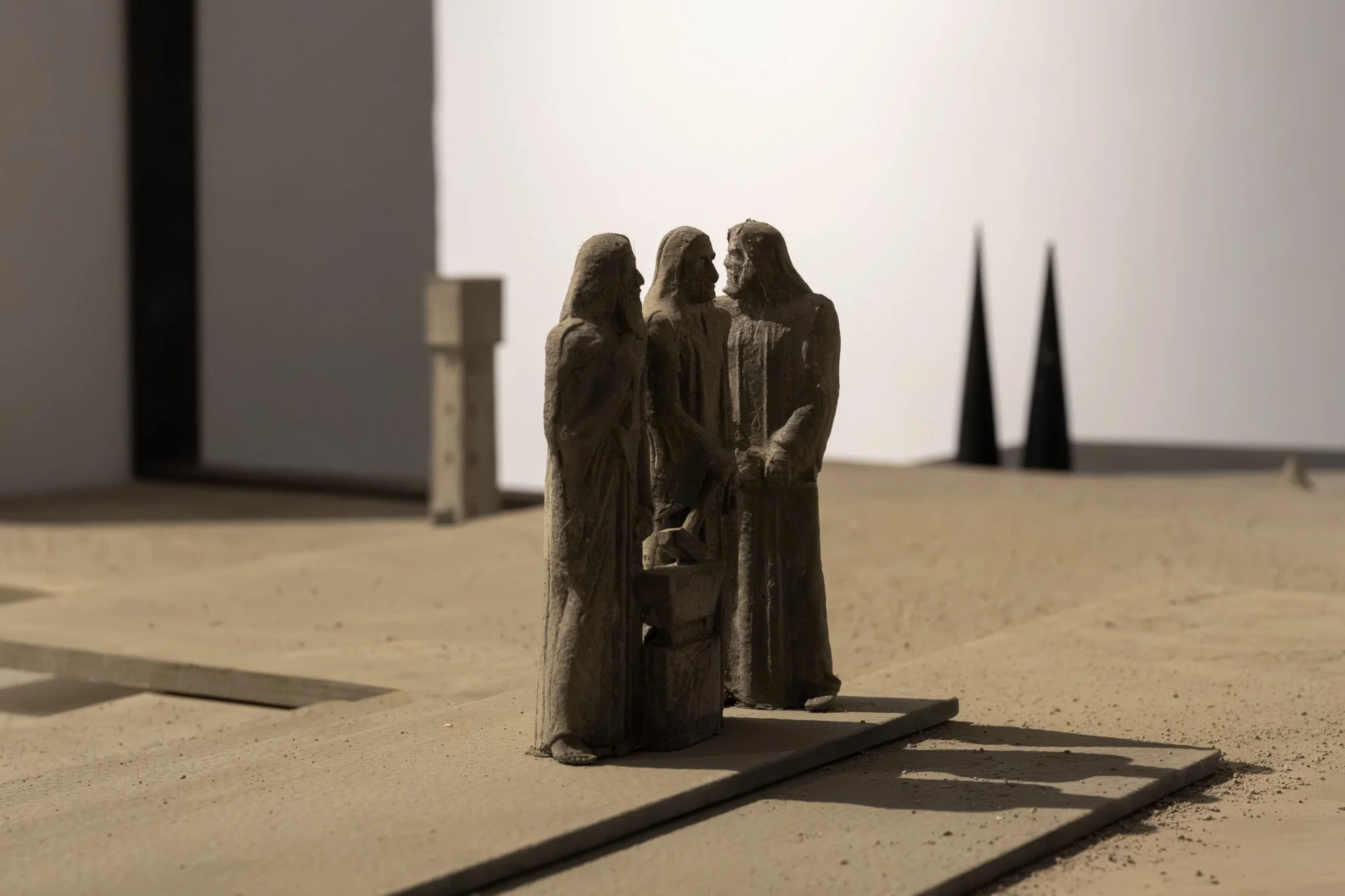
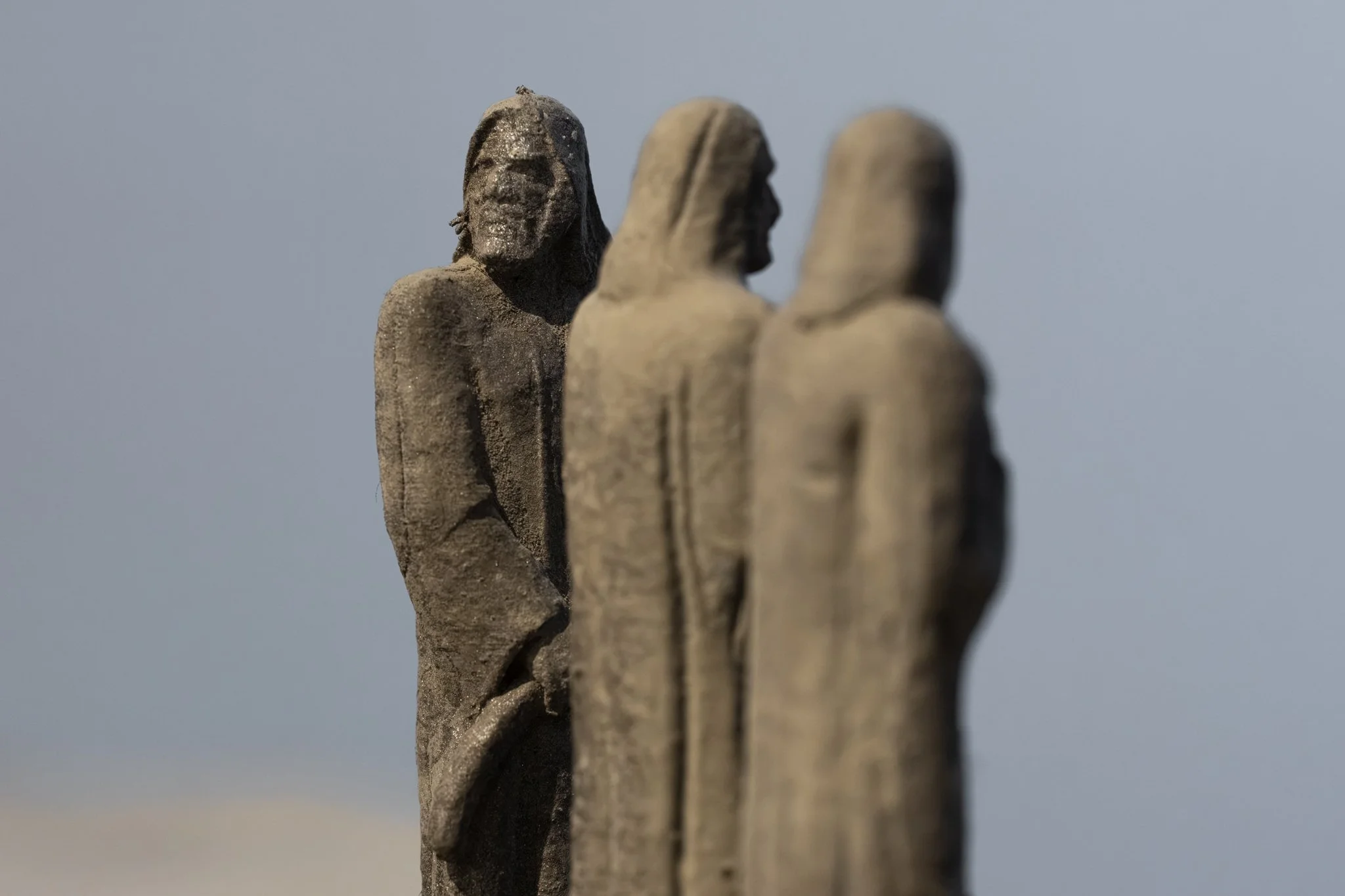
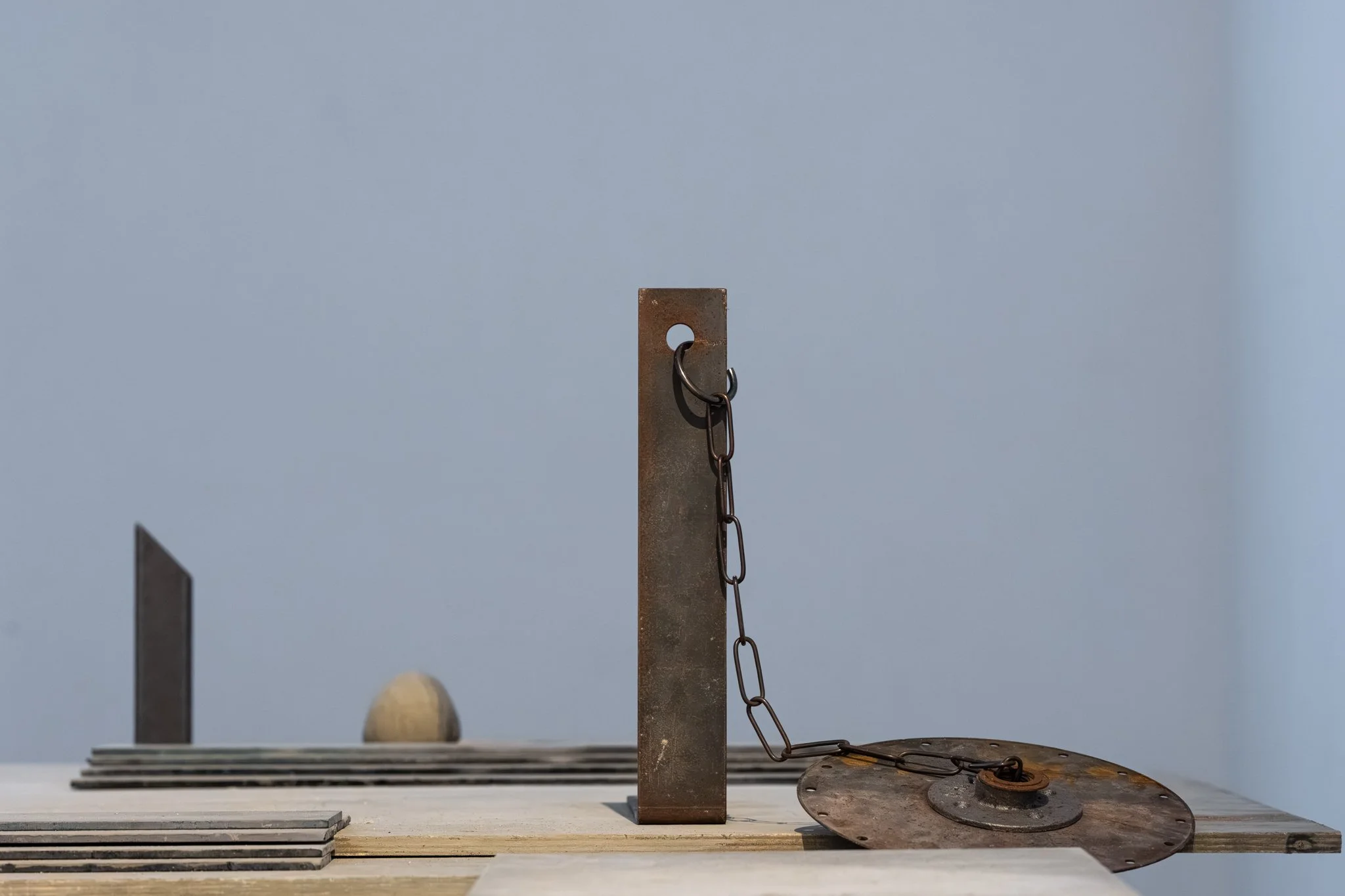
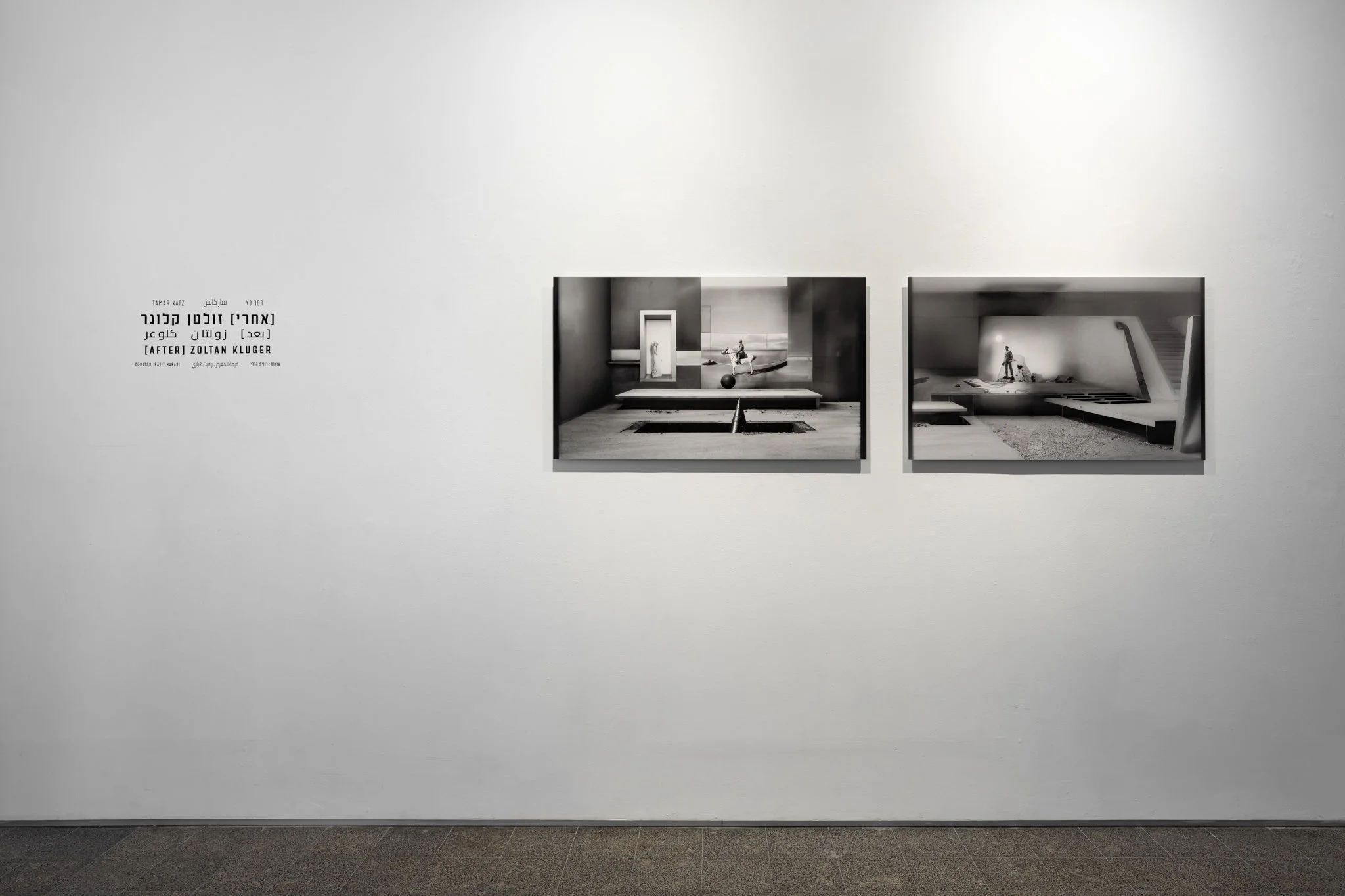
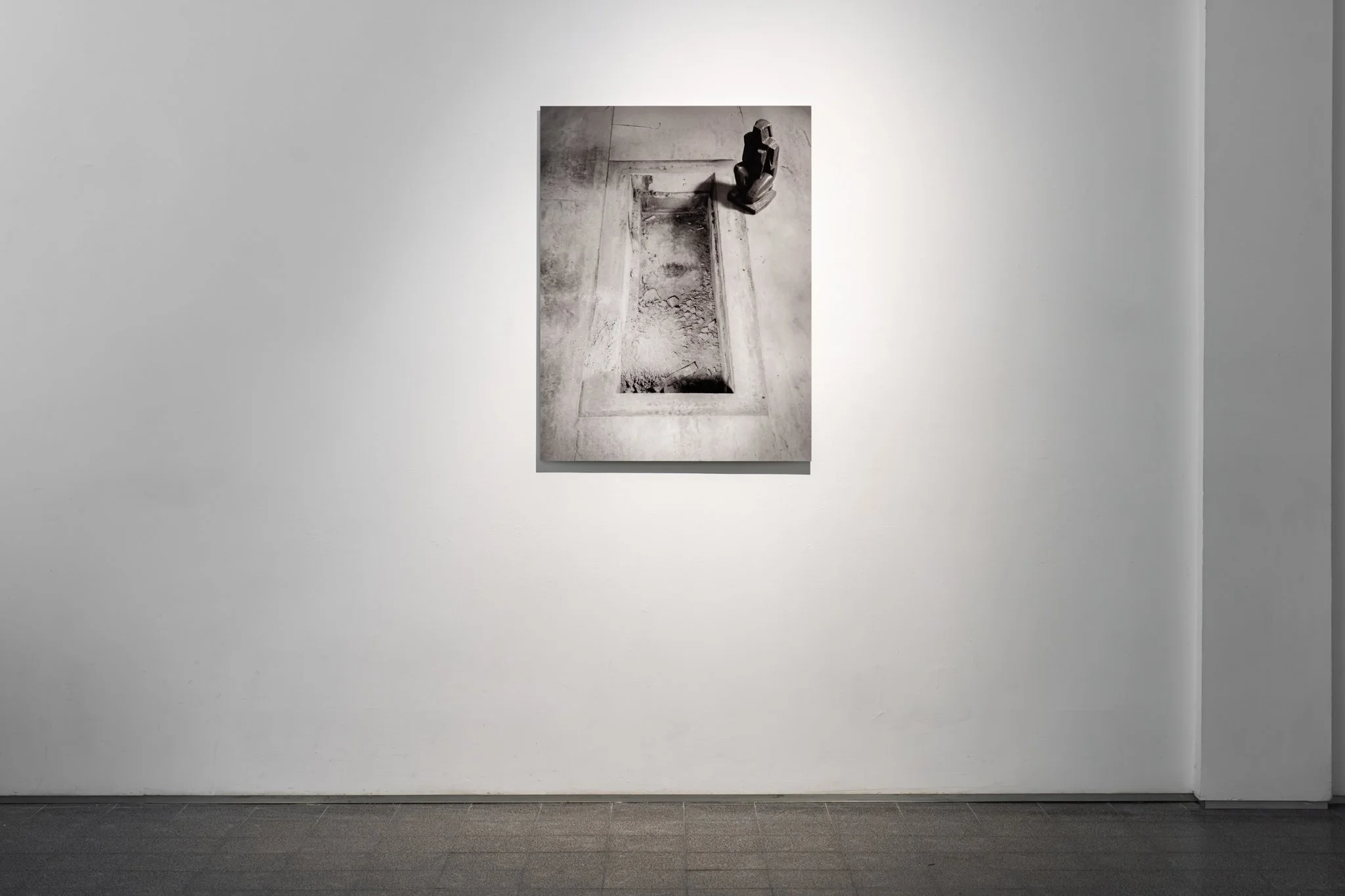
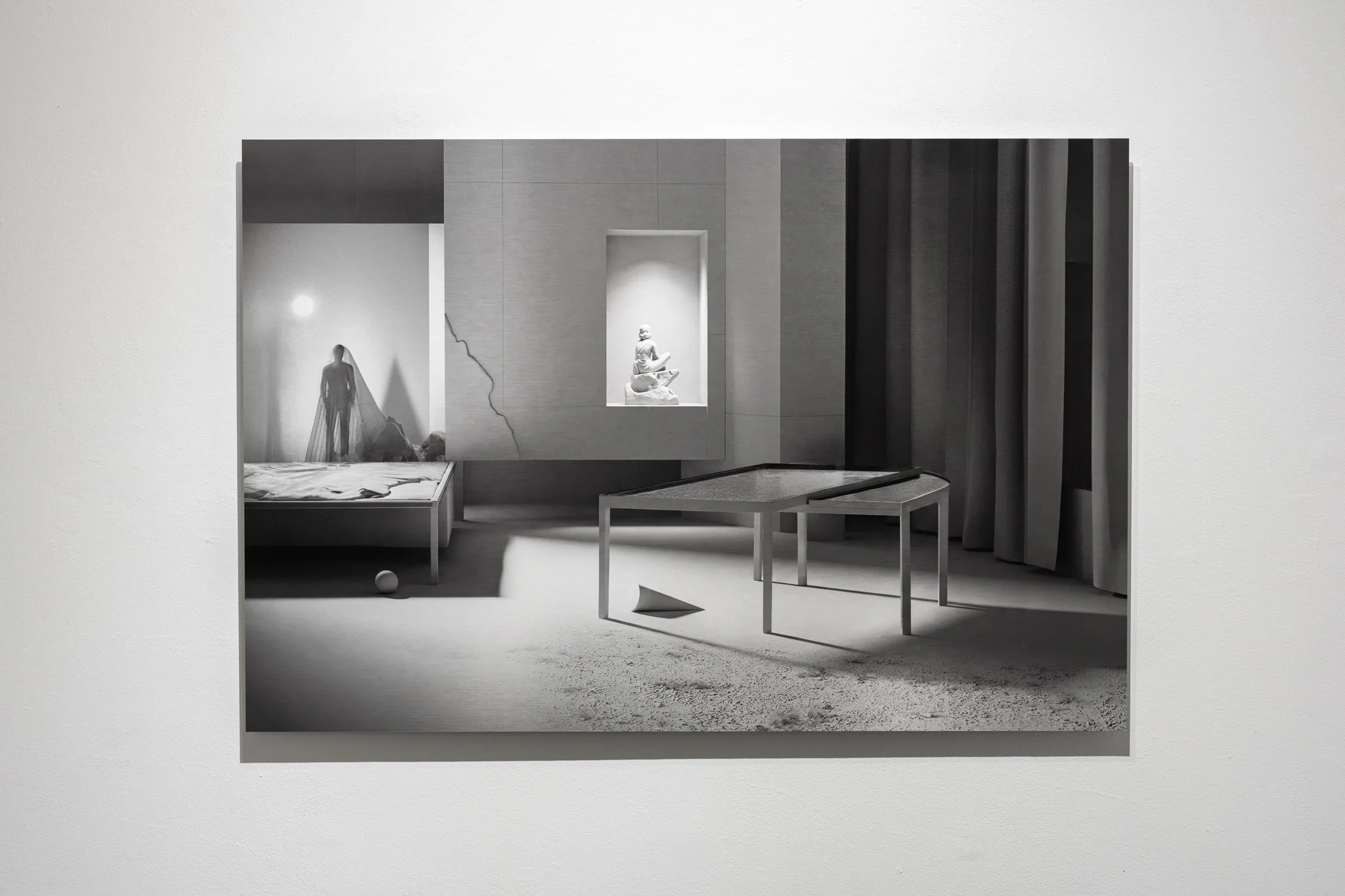
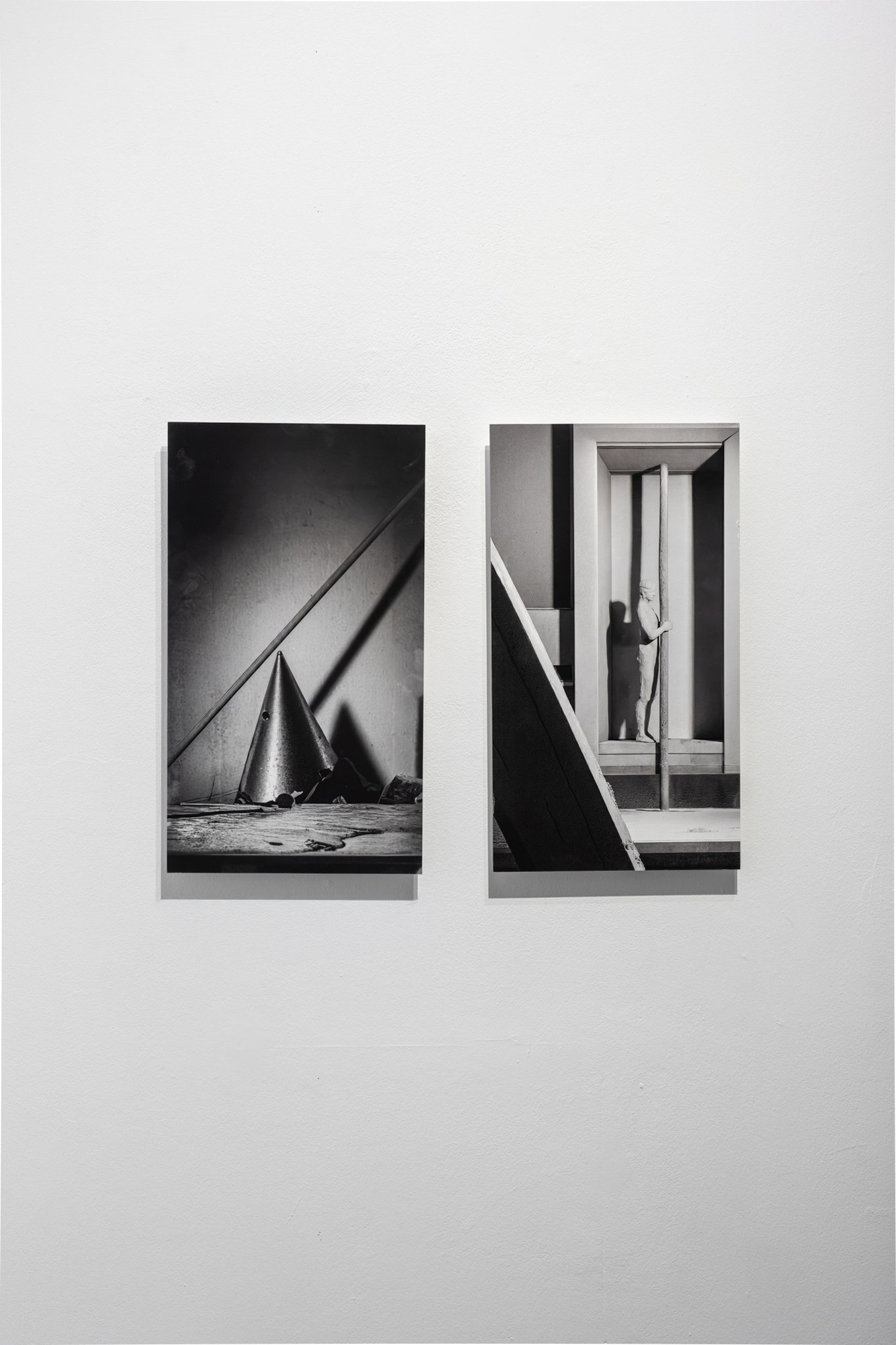
Photography Credits: Daniel Hanoch
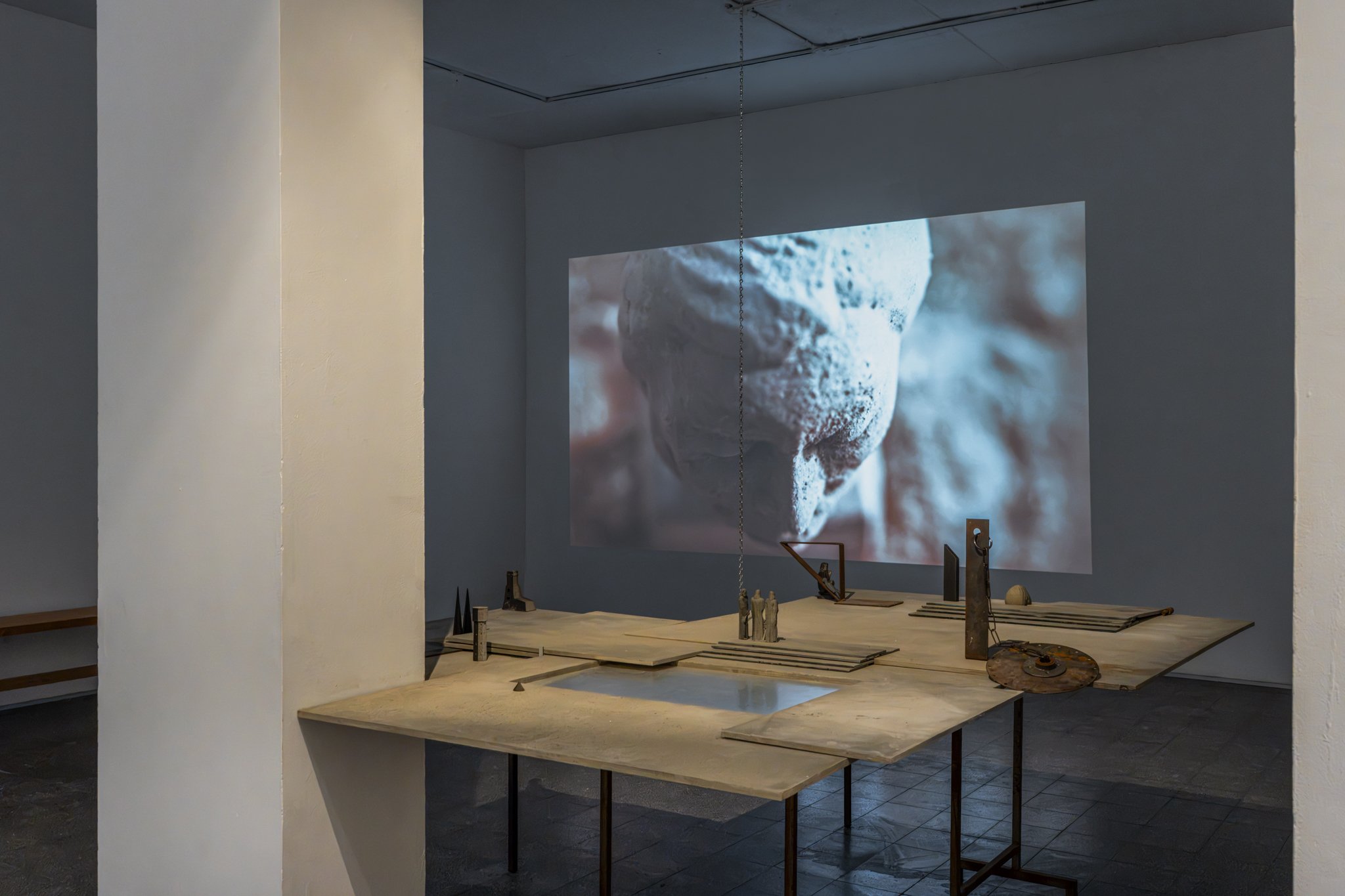
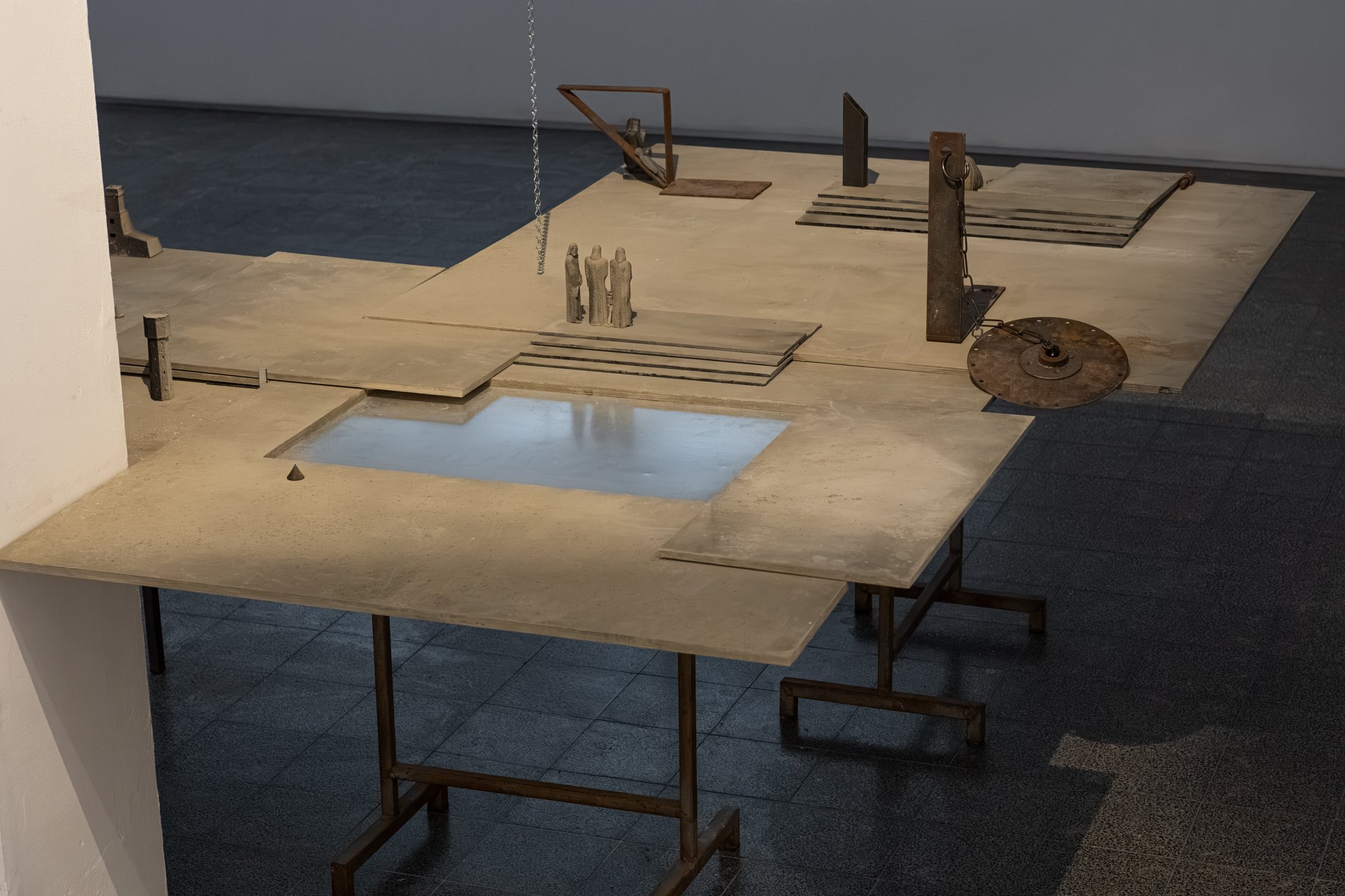
Installation view (Dana Gallery, Yad Mordechay)
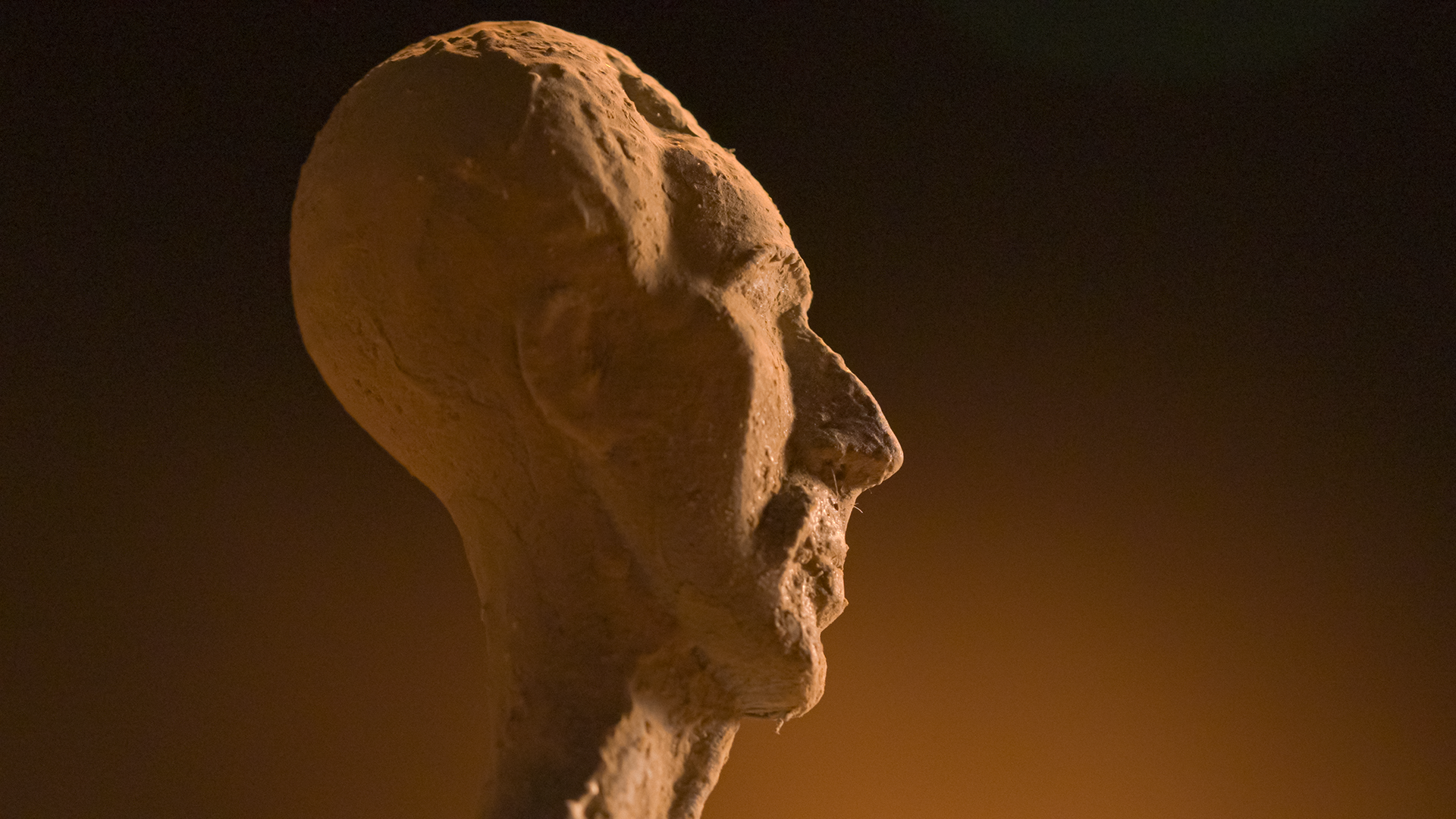
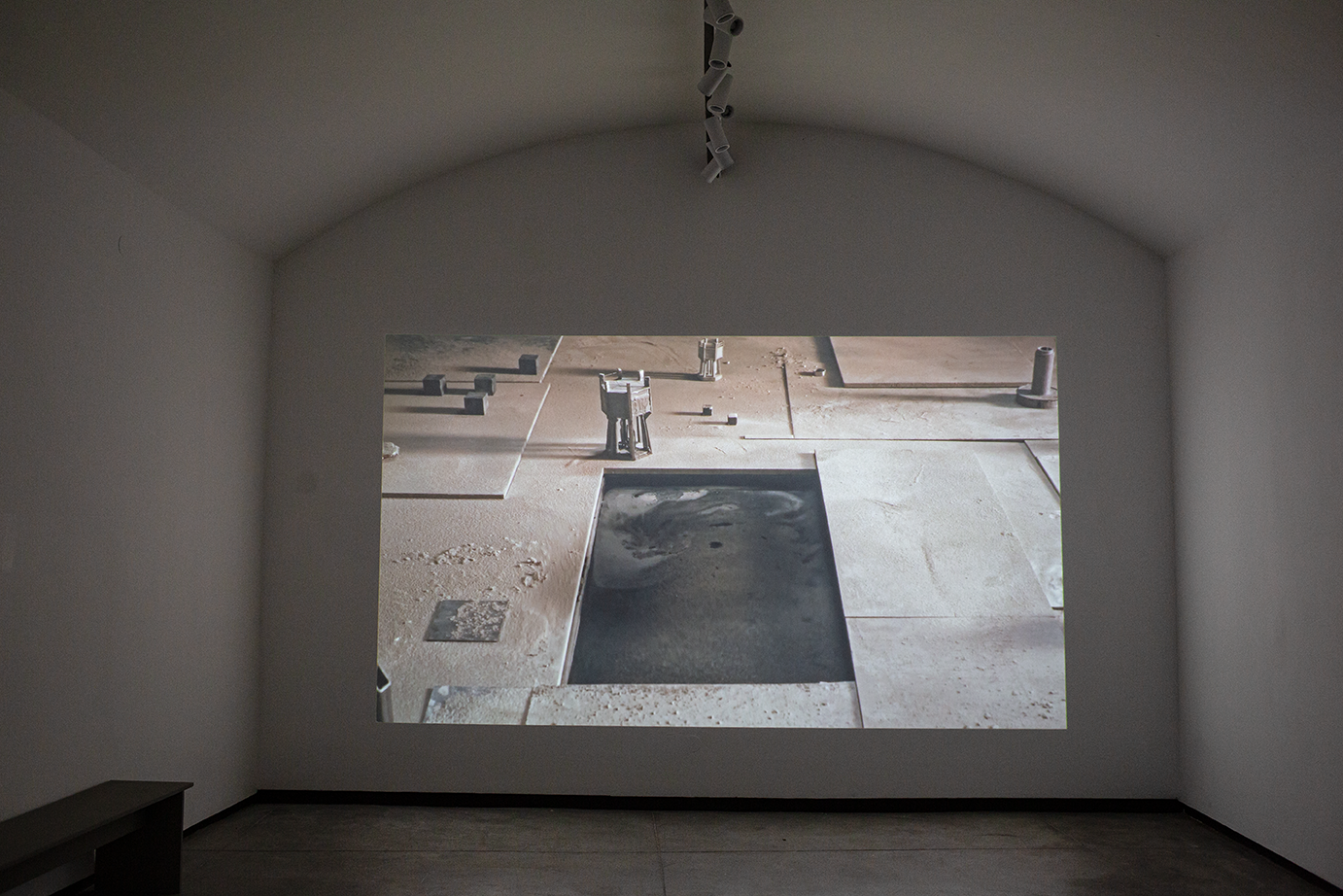
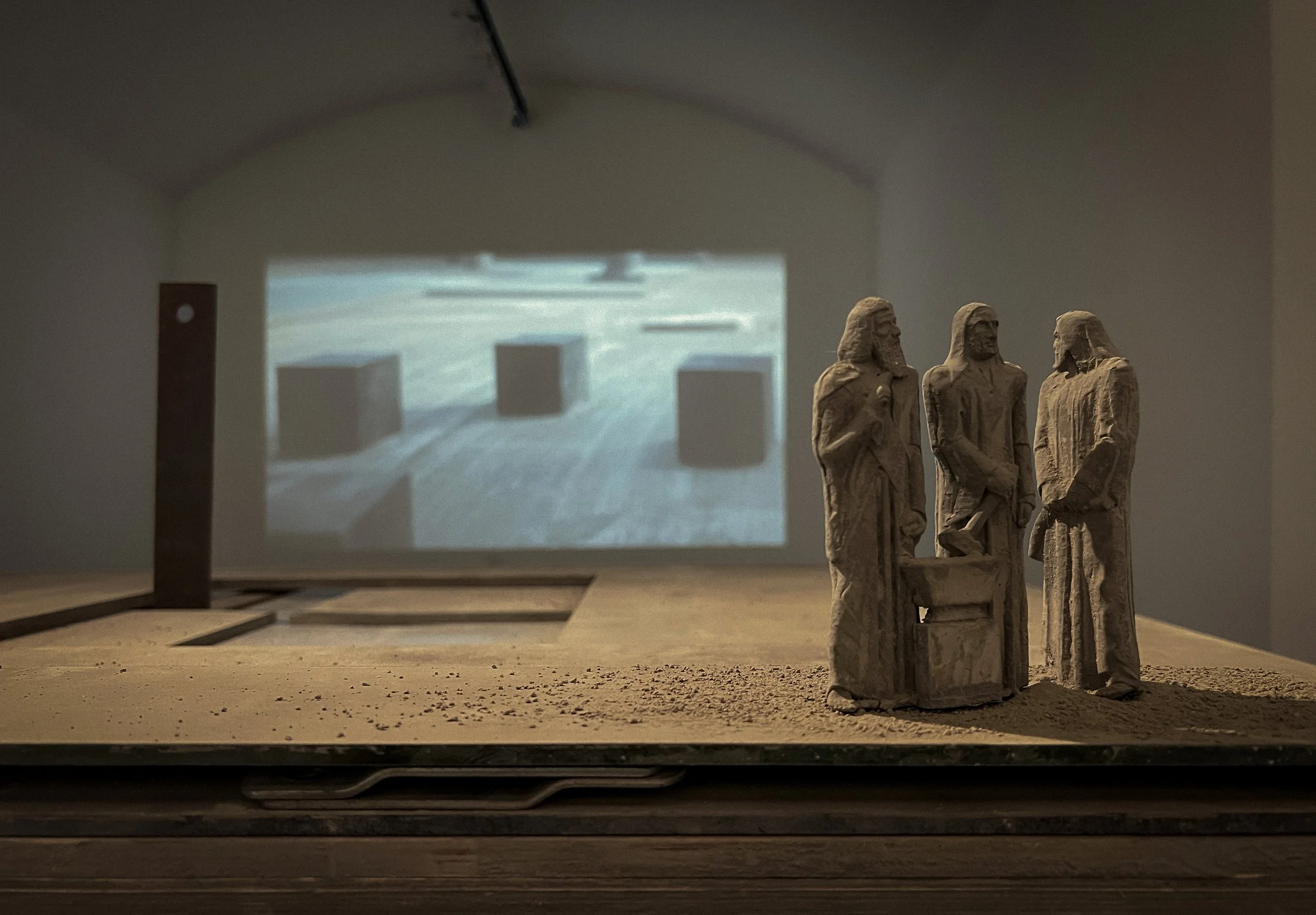
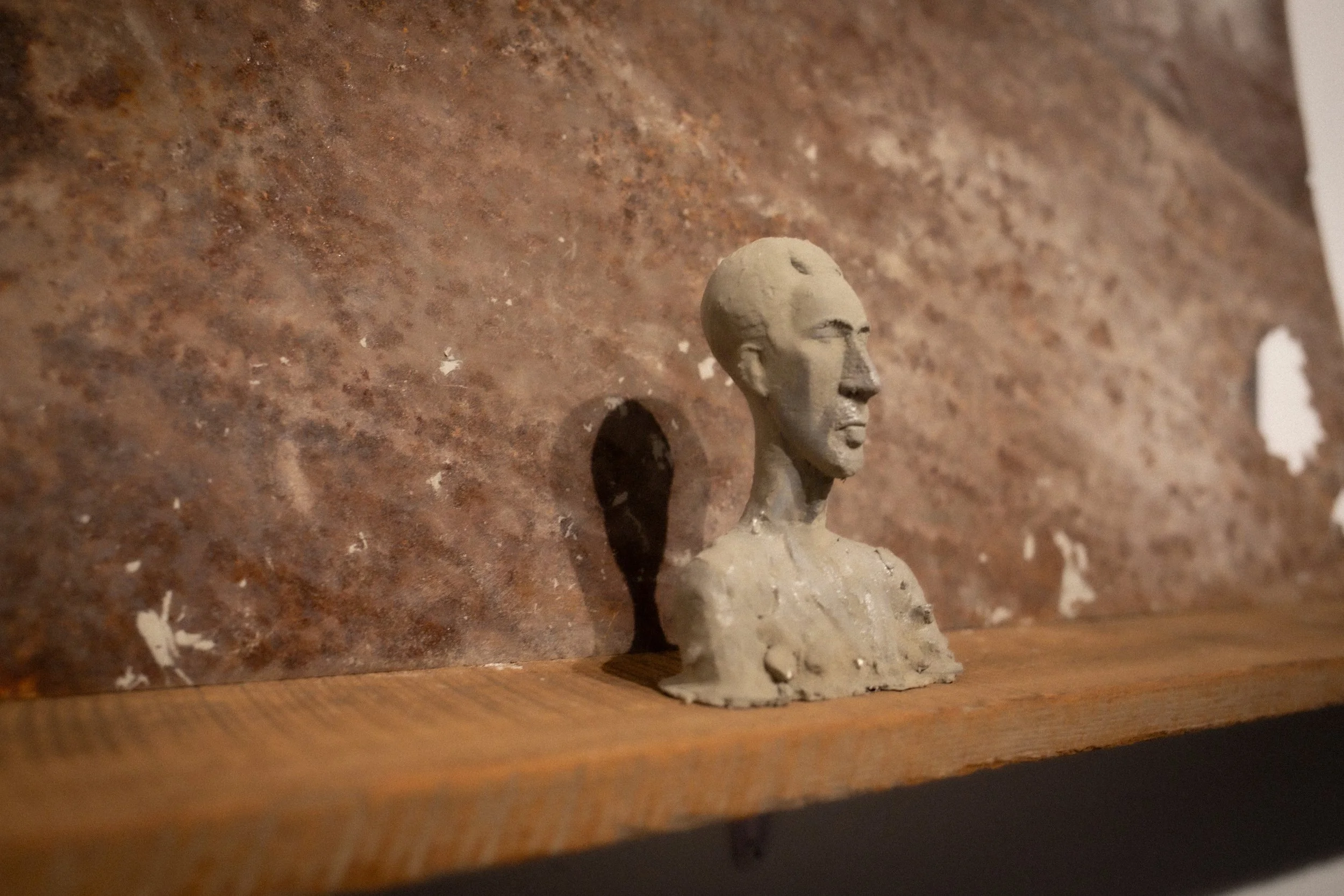
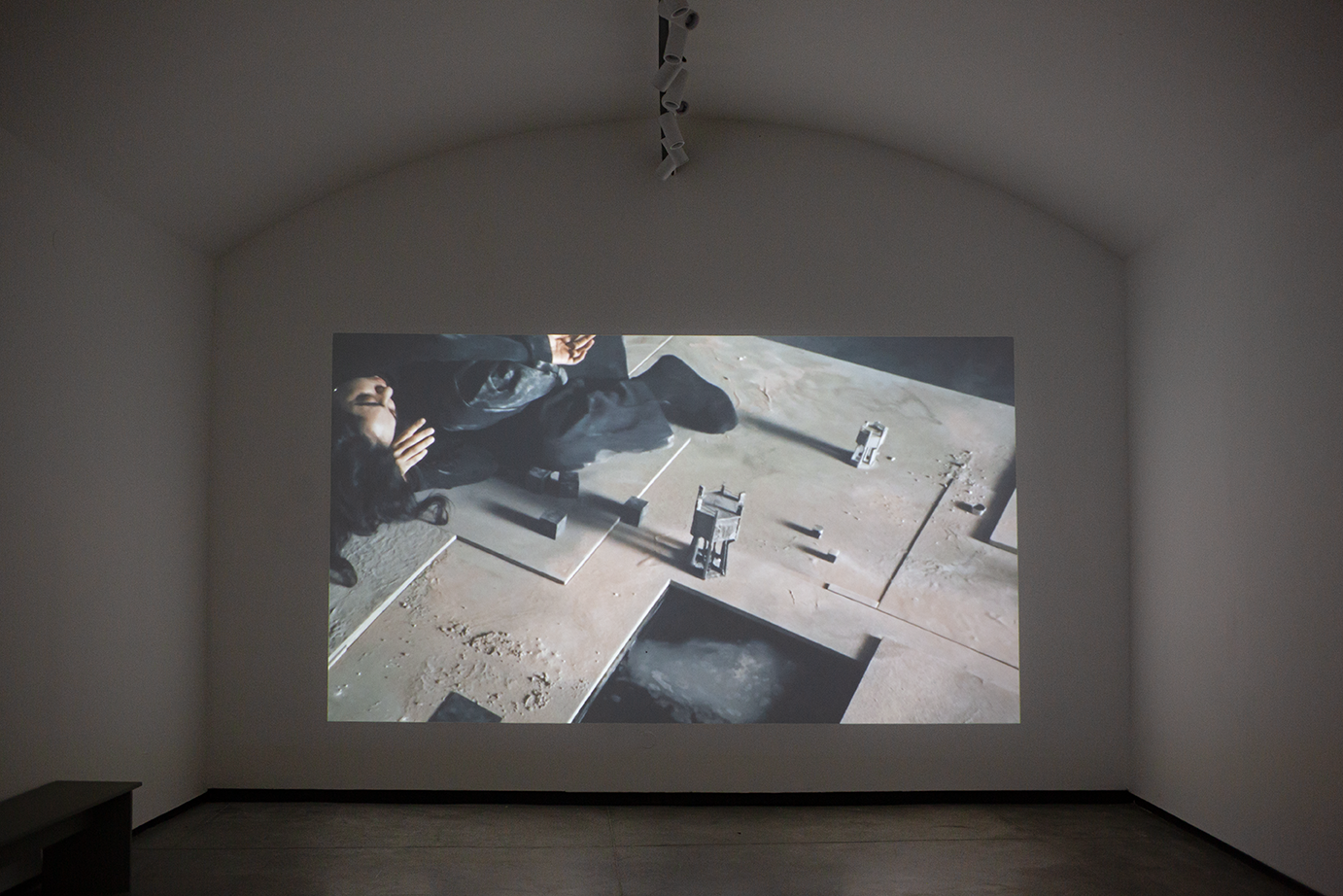
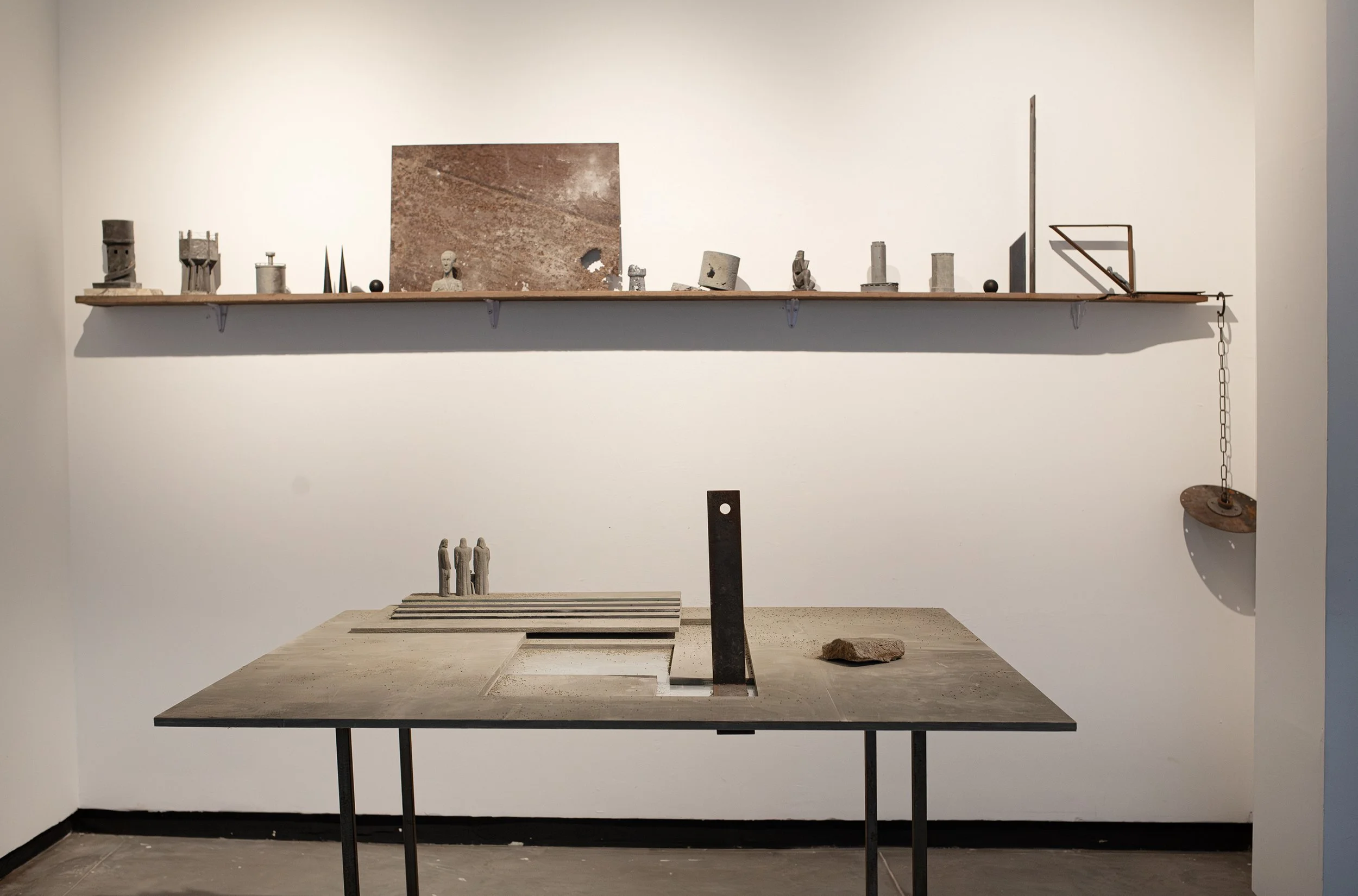
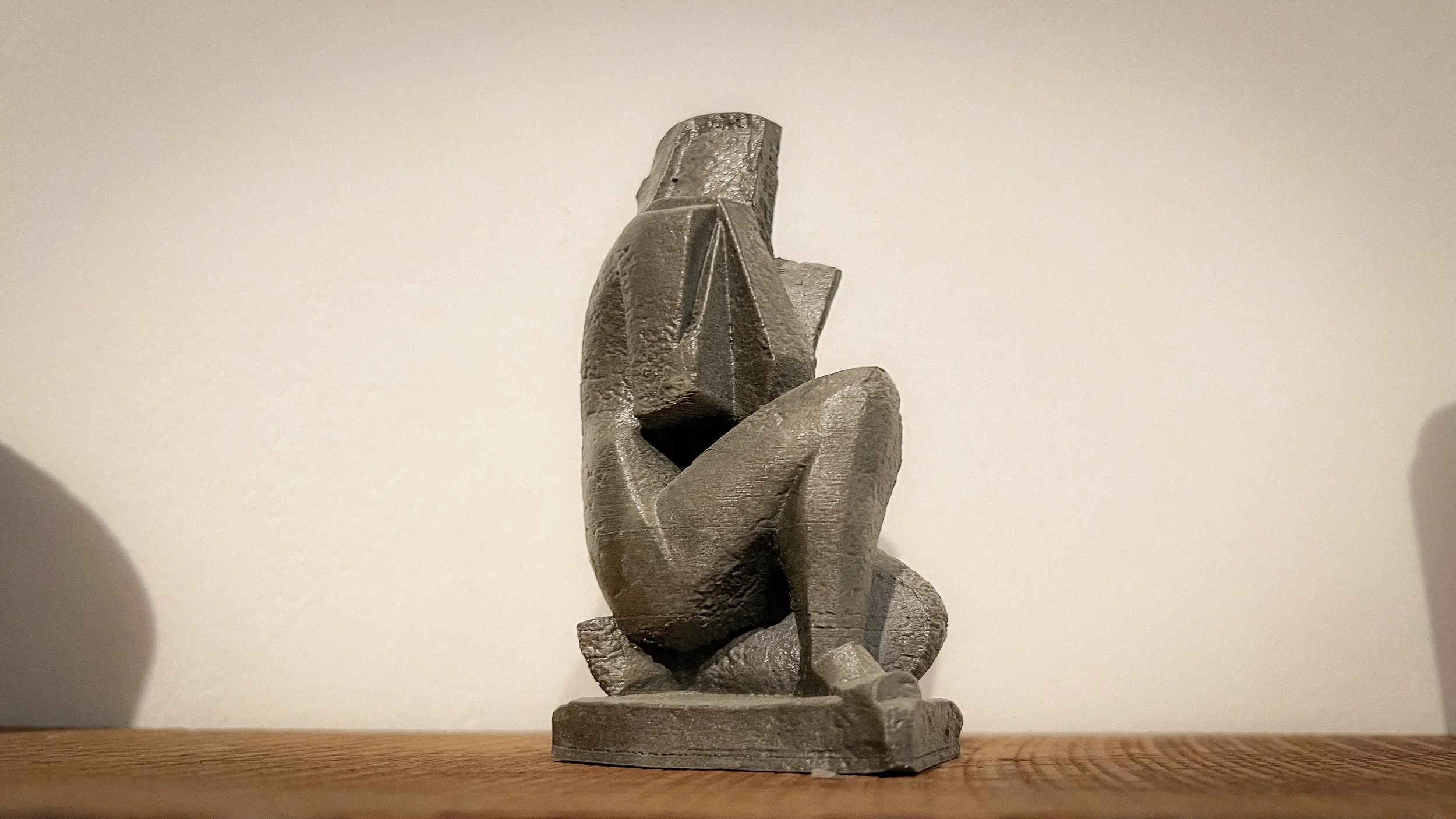
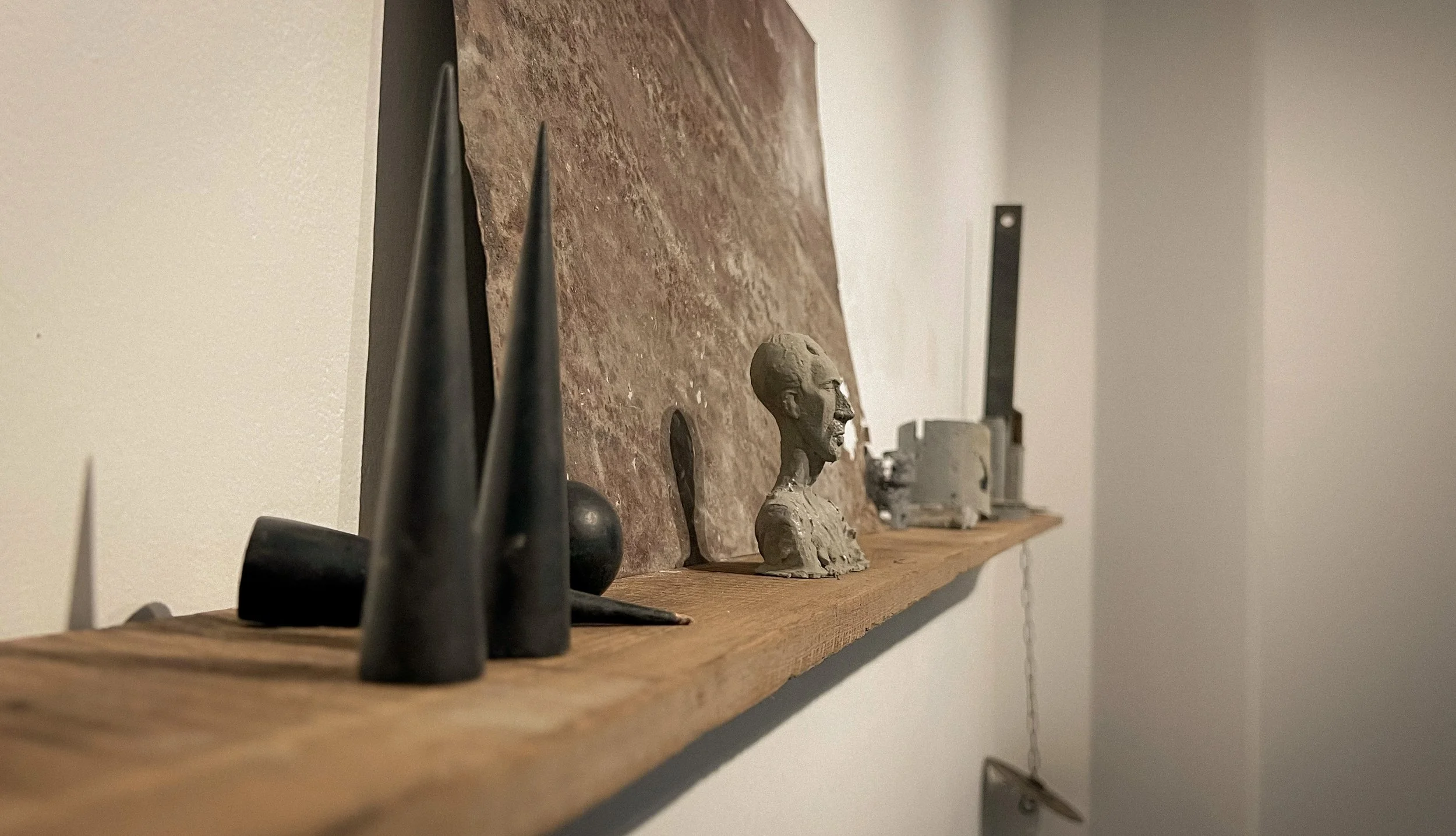
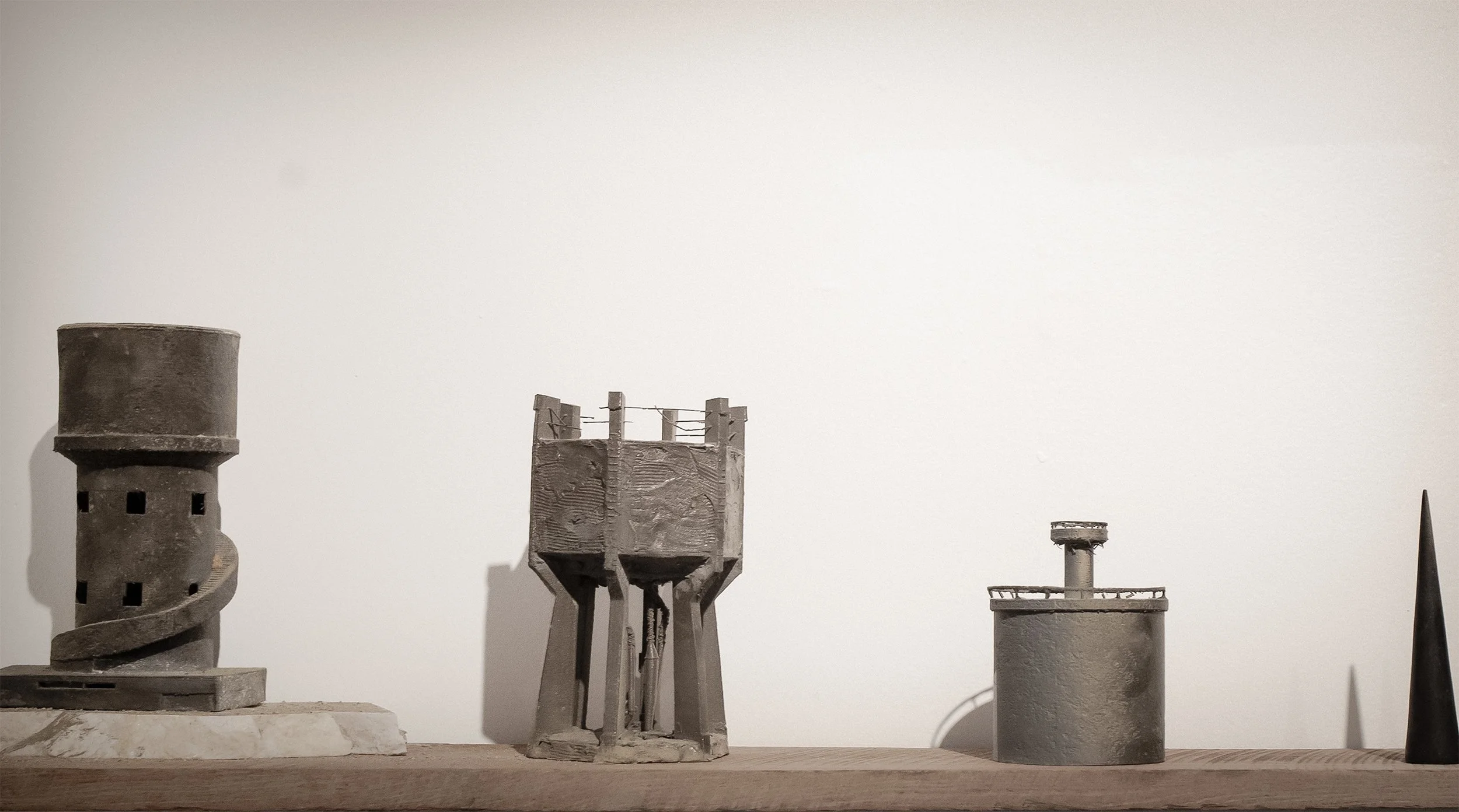
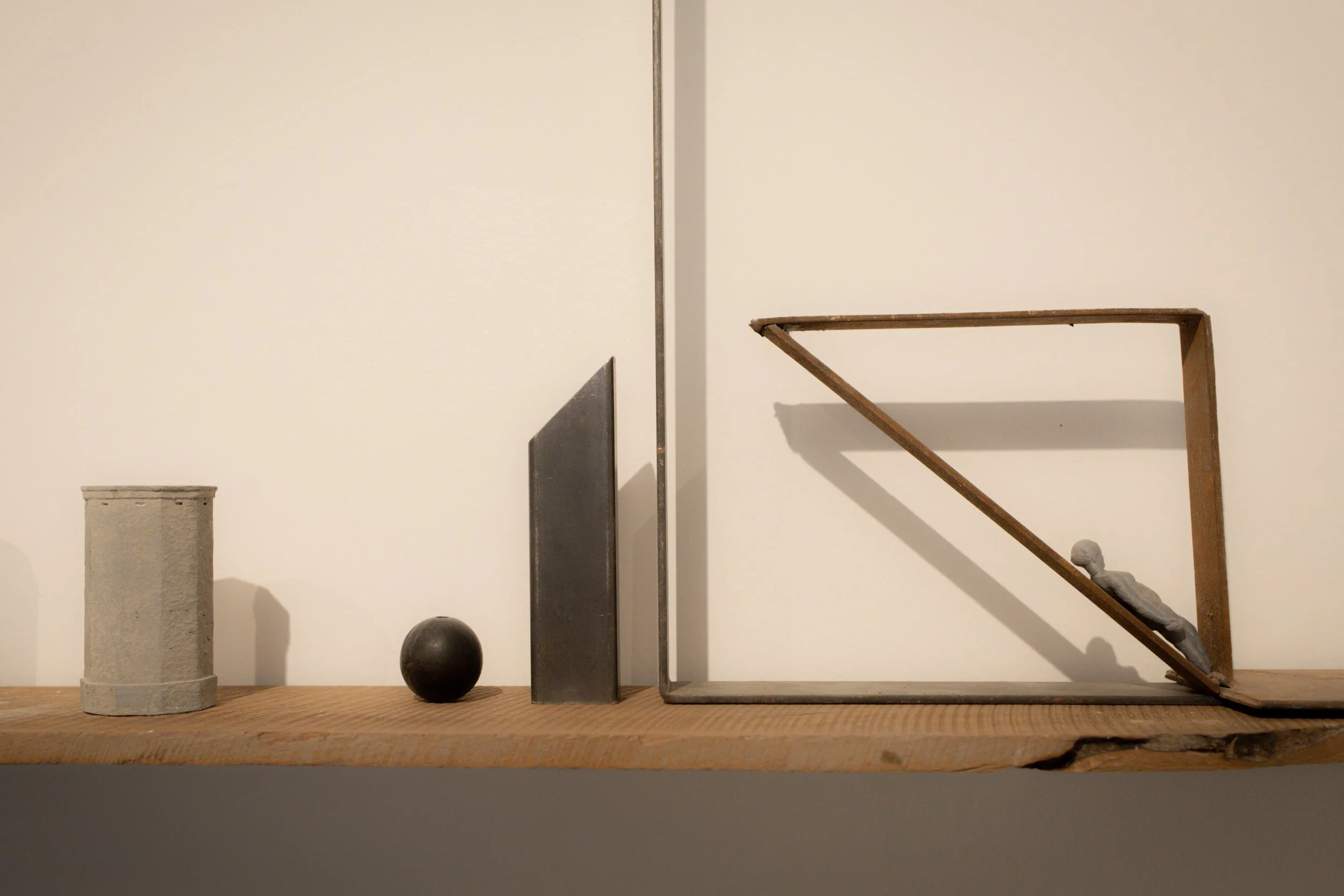
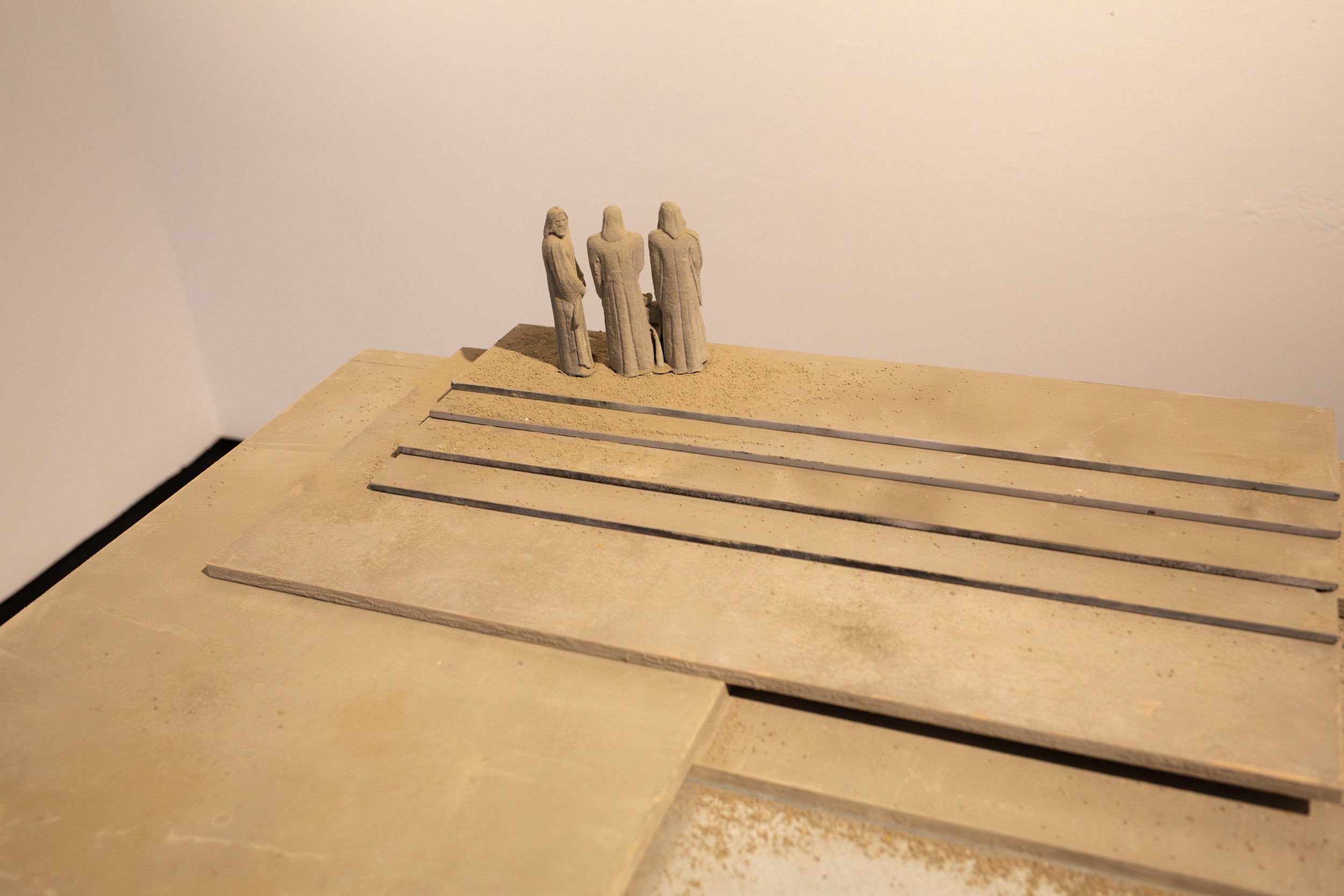
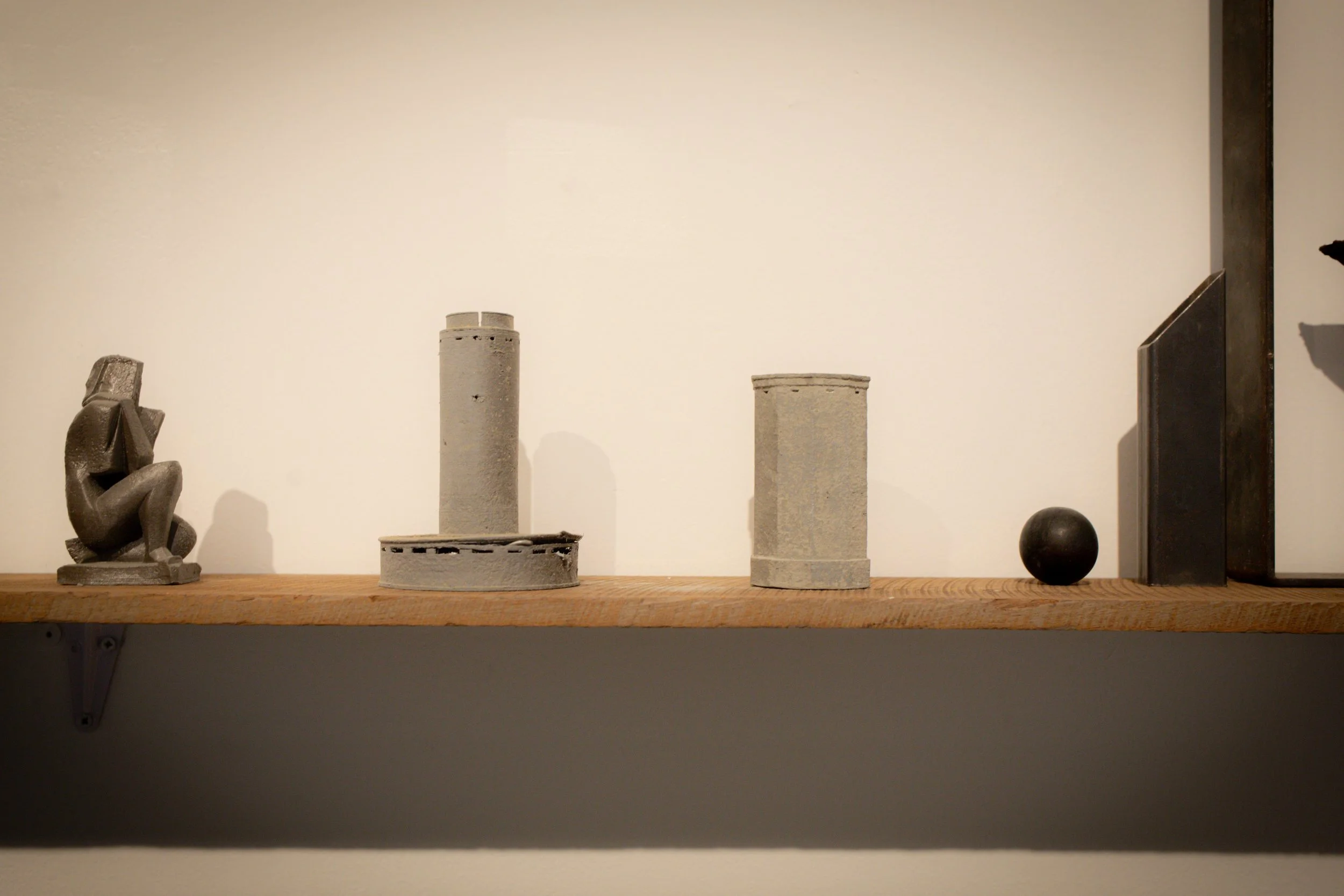
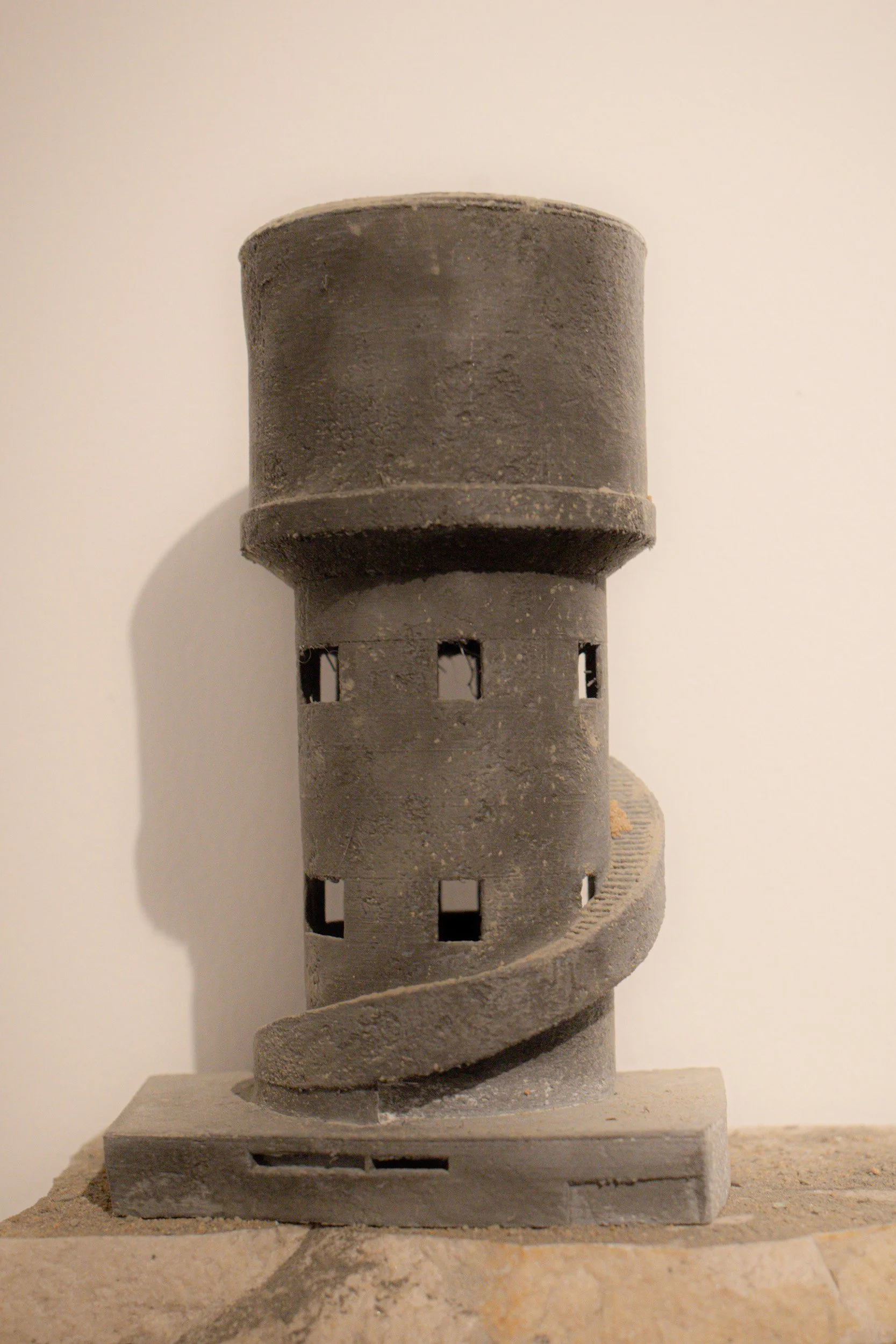
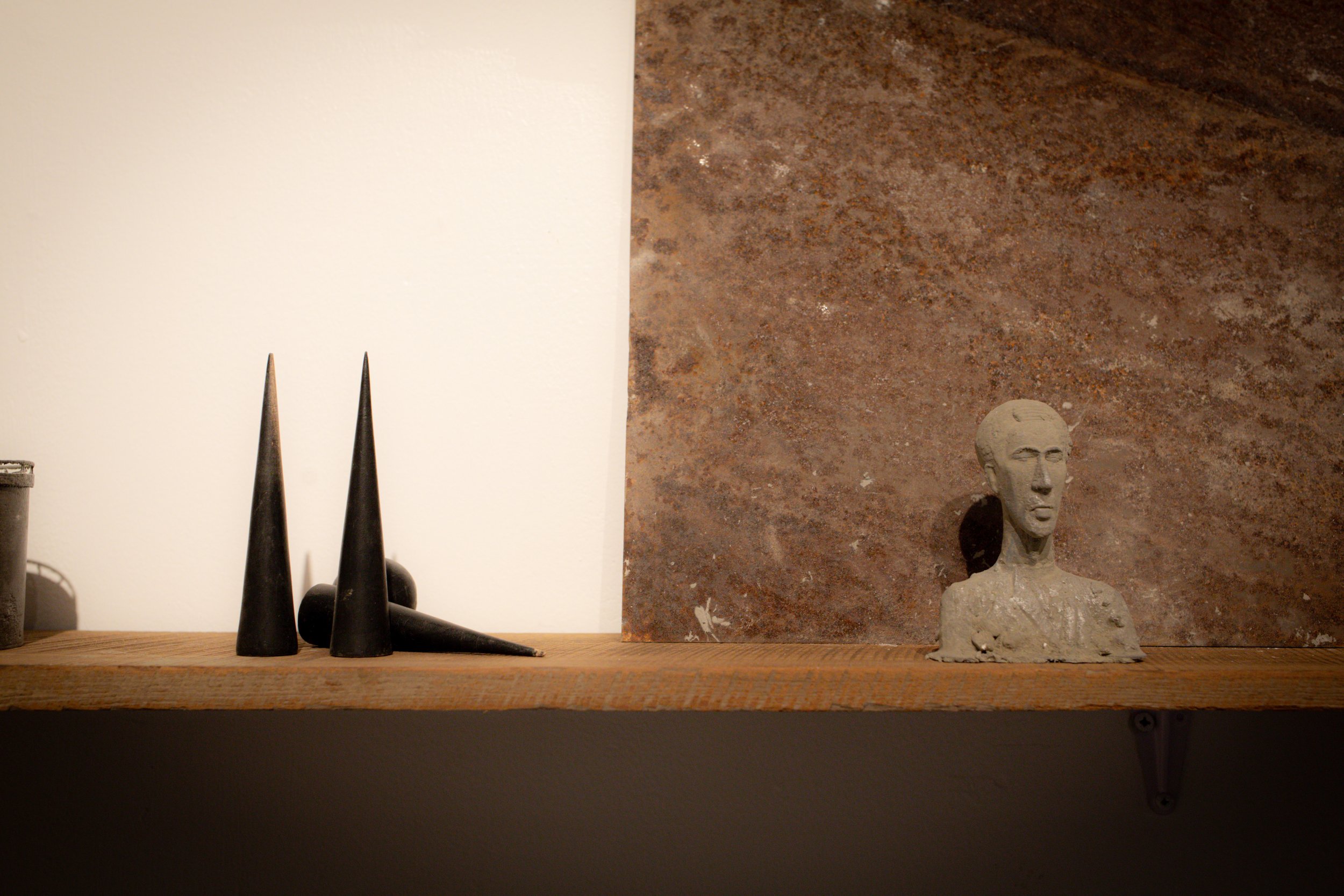
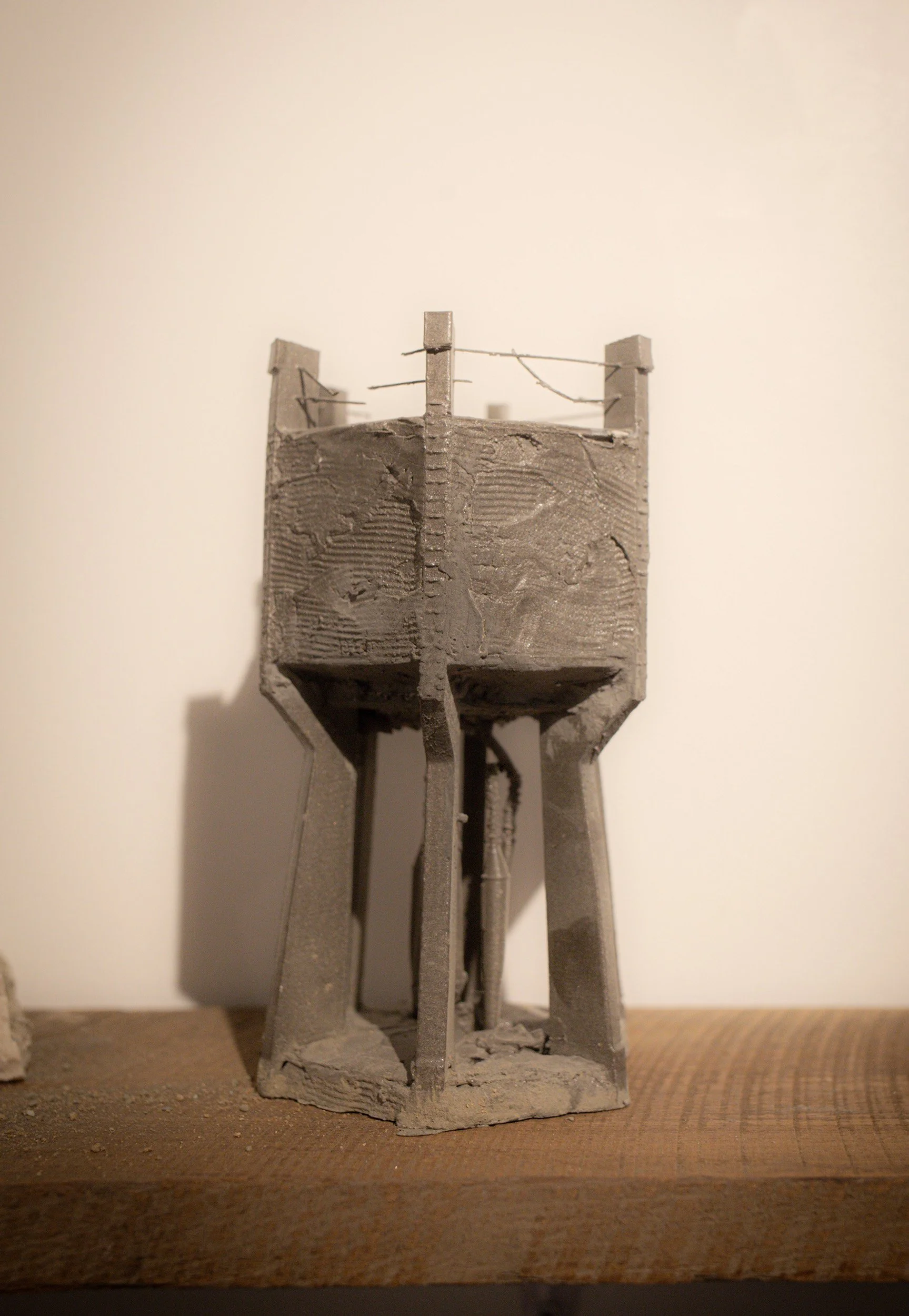
Photography Credits: Noa Simhayof Shahaf (video screenshots), Tamar Katz (installatin view)
Traces:
On the Exhibition “[After] Zoltan Kluger”
Dana Art Gallery, Kibbutz Yad Mordechai
Despite the commissioned nature of his work, Kluger's photographs seem to express not only a record of a new universe being built by others, but a personal and artistic voice of their own. For two decades, Kluger distilled from reality moments of creation and construction in the new Jewish land. He did not merely document the relentless production line of the new Eretz-Israeli world; he participated in sculpting that reality, one of the chief directors of the Zionist fantasy taking shape. The tens of thousands of images he produced helped smooth over a reality of struggle, trauma, expulsion, and cultural rupture, bending it to fit the pioneer utopia. "Kluger, who had already distinguished himself through his high photographic standards in Germany, shot in a documentary-staged manner for the funds." writes curator and photography scholar Dr. Rona Sela in her book Photography in Palestine/Eretz Israel in the 1930s & 1940s (2000). "...Kluger's secret was that he staged most of his photographs, especially when reality failed to meet expectations" (ibid.). 1958 — the year Kluger left the country — was the tenth anniversary of the Zionist movement's transformation into a sovereign state. His story raises the possibility that once the state had consolidated itself, and the image had hardened into political fact, the one who helped conjure it became superfluous, the foreign artist, observing from the outside, who had never truly been rooted in the place he represented.
Could it be, Katz wonders, that Kluger — who was called upon to work in service of the Zionist leadership's vision (Sela, 2003) — felt more acutely than anyone the gap between reality and the photographed image? Did he see the cracks that would one day widen into rifts and ruptures? The exhibition offers a reading of Kluger's images through the decades that have passed since their creation, and a reassessment of the effort that went into making them. The distance between the promise held out by those historical images and the current Israeli reality prompts renewed questions about Kluger's choice to leave the country that had only just been born.
The book accompanying the exhibition offers an encounter with Kluger's lesser-known works, which served as the source material and inspiration for the video piece. The selection of photographs gathered here places a notable emphasis on the act of representing a place, rather than on the place itself or its people: images centered on architecture, sculpture, modeling, and landscape; compositions in which the human figure appears miniaturized, and the land seems a sculptural, abstract, abandoned, or remote space. In these images, the land appears as a film set or a theater stage emptied of human presence — a scenery that can be shaped, replicated, and relocated. The iconic imagery of the Zionist body plowing, fighting, and dancing was left out of this project, in favor of a gaze directed at the mechanisms of representation themselves, and at the figures who labor to produce them.
The project [After] Zoltan Kluger grapples with the impulse to leave alongside the possibility of acting from within photographic fiction to bring a new world into being. It looks at Kluger's photographs not as a record of what was, but as living, present material: images created to stabilize a national reality, yet now judged anew from a critical position of alienation and departure; raw matter in processes of construction and dissolution. This is an attempt to inhabit the gap between the effort of staging and the potential for unraveling, as though these were a single, inseparable force. Perhaps the act of looking again at these images is itself an act of belated rescue — an attempt to hold on to a place in a time of crisis, and to ask what happens when those who produce images are pushed out and disappear.
Ravit Harari
The exhibition [After] Zoltan Kluger traces the life and work of Zoltan Kluger — an ambitious and gifted photographer born in Hungary, who fled to Germany, arrived in Palestine in 1934, and became the central photographer in the Zionist documentation and propaganda apparatus of the 1930s and 1940s. His photographs, capturing the emerging state and its inhabitants from every possible viewpoint, grew into national and cultural assets. Yet despite his central role in constructing the national narrative, in 1958 he left the country and severed all ties with the Zionist establishment. He left behind a collection of some 50,000 negatives, distributed among various archives in Israel, which to this day form the visual canon of the Mandate era and the country's early years. His historical significance to the nation-building enterprise stands in almost direct contradiction to his vanishing figure. In stark contrast to the vast archive of historical photographs he left in Israel, almost no personal images or letters byof him survive — nor any family members to bear witness to his life. A gap emerges between his central role in the public apparatus and his own rootless existence. This tension — along with the contrast between his photographs, which shaped the sense of belonging of entire generations, and his status as a near-phantom within Israeli public life — ignited Tamar Katz's imagination. And so, an impressive life's work cut short, an enormous archive of mesmerising images, and a figure who left and was forgotten, become in her exhibition a parable of building, taking root, detachment, and departure.
The video work at the heart of the exhibition sets out to express the gap between the settlement and construction enterprise Kluger documented with his camera, and the transience of his own existence in the land. It does so through the building and collapse of a sculptural model of an Eretz-Israeli world. In what feels like a first act, a mysterious figure lays the groundwork — assembling a modular stage from patchwork fragments of dusty gray surfaces, like tectonic plates and shards composing a "new world." The figure then places upon it architectural structures and objects drawn from Kluger's photographs, modeled in three dimensions, printed and coated in building materials — cement and plaster. The figure's hands are absorbed in laborious work, shaping a realm that seems borrowed directly from Kluger's images. He sands, arranges, and sorts; he sets down buildings and sculptures, pipes, fragments, and rods, conjuring a kind of provisional universe — collapsible, self-assembling, a world that can be taken apart, moved, and rebuilt. And indeed, what has been built does not hold for long. A sandstorm gathers slowly, and the momentum of construction yields to fierce winds that tear through the space. It is as though the forces of nature have breached the filmed, enclosed world, destabilizing the ground that was so carefully laid, threatening to bury it entirely in sand and dust. When the storm subsides — in what might be read as a third act — a new figure is revealed on the stage: something like a human sculpture at large scale, slowly coming to life. The figure moves, extending writhing arms through a rectangular opening in the platform, stretching them outward like wings, rising upward like a dust-covered phoenix emerging from a subterranean, hidden space. It conjures a kind of primordial creature, large and groping, feeling its way through space, struggling to emerge and rise from the ruins — marking the possibility of rebuilding with its body.
Sela, Rona. "To Conquer the Mountain, Photographers and the Jewish National Fund (Keren Kayemeth Le Israel)" in: Keren Kayemeth and Photography, Photographs from the Blue Box 1903-2003, Gadi Dagon (ed.), 2003.
Sela, Rona. “Photography in Palestine in the 1930s & 1940s.” Hakibbutz Hameuchad and Herzliya Museum of Art, 2000.
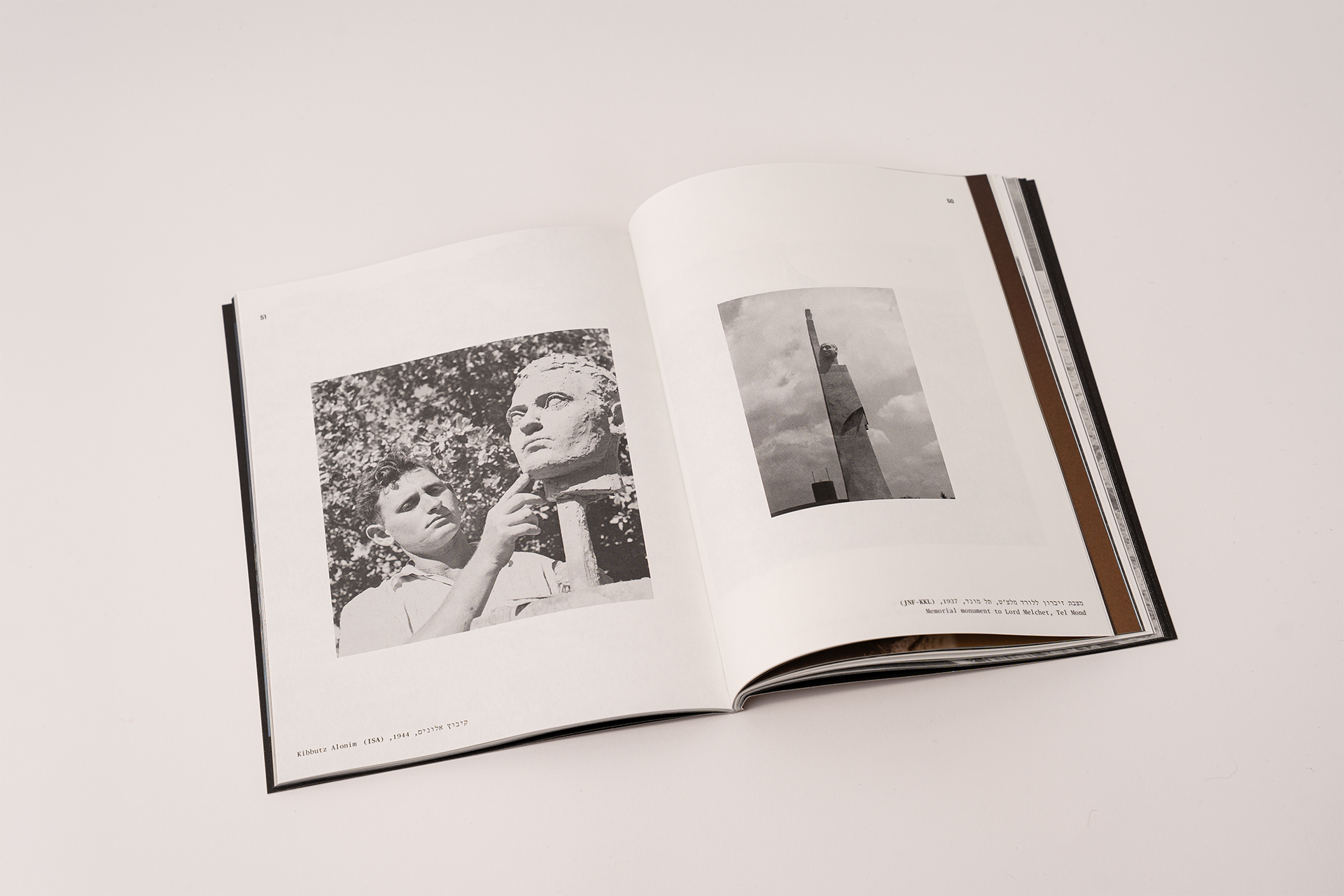
Book | [After] Zoltan Kluger , 2026